

In the UK, the lead-up to Ramadan is usually a time of bustling community spirit. Whether it’s the late-night iftar spots in Whitechapel, the busy shops in Small Heath, or family gatherings in Bradford, we’re used to abundance. We prepare our homes, plan our “big Iftars,” and complain—perhaps a little too much—about the price of […]
In the UK, the lead-up to Ramadan is usually a time of bustling community spirit. Whether it’s the late-night iftar spots in Whitechapel, the busy shops in Small Heath, or family gatherings in Bradford, we’re used to abundance. We prepare our homes, plan our “big Iftars,” and complain—perhaps a little too much—about the price of groceries.
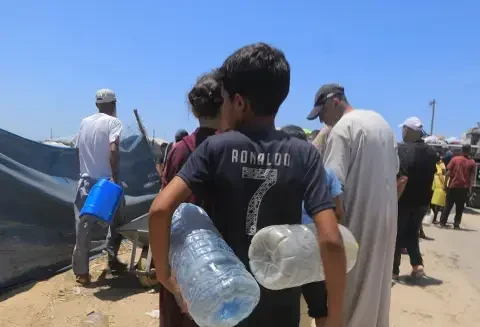
But for one 67-year-old grandmother—a “Hajja” who should be enjoying the quiet dignity of her sunset years surrounded by grandchildren—Ramadan has become a desperate struggle just to keep a fire burning. Standing outside her tent, she doesn’t ask for a feast. She just wants you to see what’s left of her life.
Scavenging for a Cup of Tea
“I have nothing to show you but bread and a bit of za’atar,” she says, her voice trembling with a mix of exhaustion and a pride that hasn’t quite broken. In her world, there are no gas cylinders, no stoves, and no “putting the kettle on.”
To boil water for a simple cup of tea for her son at Suhoor, they have to scavenge. “We collect paper from the streets, old cardboard boxes… we light them just to make a fire. We can’t even afford wood anymore.”
At 67, her body is tired. She speaks of sharp pains in her shoulders and hands, a lack of sleep because there is no comfortable place to lay her head, and the loss of the basic “cleanliness” of a real bathroom. For a woman who spent her life keeping a clean, welcoming home, the indignity of the camp is a weight heavier than the hunger itself.
The Invisible Pain of Poverty
One of the most heartbreaking parts of her story isn’t just the lack of food, but the isolation.
“When I had money, everyone was around me,” she recalls. “Everyone loved to visit. Now that I have nothing, no one looks for me.”
She remembers the days when she would decorate her loungeroom for Ramadan, carefully folding the ornaments away each year. This year, her grandson brought home “decorations” he found in the street—scraps of plastic and nylon from old food packaging. They hang in the tent as a haunting reminder of the life they used to lead.
The doctor told her she needed protein—specifically fish—to help with her failing health. “I told my son, I can smell the neighbors cooking fish. I just wish I could taste it.”
Our Mission: Restoring Dignity, One Plate at a Time
At Giving Hands UK, we believe in a fair chance for everyone, especially our elders. We don’t believe any grandmother should have to burn trash to cook her Suhoor or scavenge for cardboard just to have a hot drink.
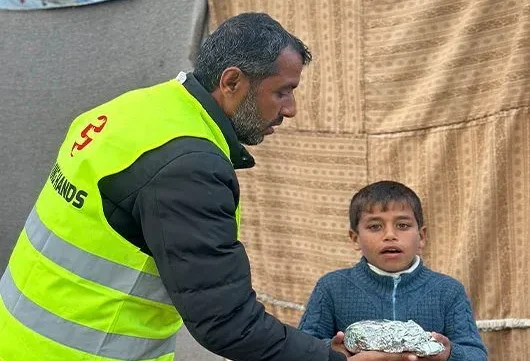
Our teams are on the ground right now, providing comprehensive Ramadan Food Packs. These aren’t just boxes of food; they are a promise that she hasn’t been forgotten. We provide nutrient-dense staples like lentils, rice, oil, and dates—essentials that mean she doesn’t have to choose between her health and her hunger.
A Call to Mateship This Ramadan
This Ramadan, as we break our fasts in the safety of our homes, let’s remember the grandmother who is literally lighting trash to survive. Your Zakat and Sadaqah can change her story.
Let’s ensure her grandson doesn’t have to search the streets for plastic scraps just to find a reason to smile. Join us in bringing real food, real medicine, and real hope to those who need it most.
Frequently Asked Questions (FAQ)
Can I add Gift Aid to my donation?
Yes. Giving Hands UK is a registered charity, so eligible UK taxpayers can add Gift Aid. If you are a UK taxpayer, Gift Aid adds 25% to your donation at no extra cost. We will email your donation receipt immediately, including your Gift Aid declaration.
How does Giving Hands UK reach people in tents?
We don’t just wait for people to come to us. Our field teams conduct “tent-to-tent” assessments to find the most vulnerable—specifically the elderly, widows, and people with disabilities who cannot stand in long aid lines. We deliver the food packs directly to their doorstep, or in this case, their tent flap.
Does 100% of my Zakat go to the cause?
Absolutely. We maintain a strict 100% Zakat policy for our Ramadan distributions. This ensures that every dollar of your Zakat is used for the purchase and delivery of life-saving food and medical supplies to those who are Islamically eligible.
Can I donate specifically for protein or fresh meals?
Yes. Our Ramadan appeal includes options for “Kaffarah” and “Fidya,” which are used specifically to provide nutritious, hot meals and fresh protein to families who haven’t had meat or fish in months.