

Sadaqah means voluntary charity given for the sake of Allah. Unlike Zakat, it has no fixed amount and no set time. Muslims can give it any day, in any form, and it counts. The Quran links sadaqah directly to spiritual growth, protection from hardship, and closeness to Allah. It benefits the giver as much as the one who receives it. That’s what makes it different from ordinary generosity.
Why Sadaqah Matters More Than Most People Realise
Sadaqah sits at the heart of Islamic social responsibility. According to the World Bank, about 700 million people still live on less than £2.15 USD a day. That gap is real, and sadaqah directly fills it. The Quran tells us in Surah Al-Baqarah (2:261) that a single act of charity can multiply like a grain that grows seven ears, each holding a hundred grains. That’s not a metaphor for vague reward. It’s a direct promise. At Giving Hands, our sadaqah programs channel that intention into lasting change for families across the communities we serve. Scholars like Imam al-Nawawi noted that sadaqah is one of the most consistent acts a Muslim can keep, even in small amounts. The need has never been greater. And the reward has always been waiting.
Key Facts About the Benefits of Giving Sadaqah
Most Muslims know sadaqah is good. Fewer know how specific those benefits are. The Prophet Muhammad (peace be upon him) said that sadaqah extinguishes sin the way water puts out fire (Tirmidhi, no. 2616). He also said it does not reduce wealth (Sahih Muslim, no. 2588). Pew Research puts the global Muslim population at about 1.8 billion people. If even a fraction gave sadaqah each week, the collective impact would be staggering. Ibn al-Qayyim wrote that sadaqah protects the giver from calamity, softens the heart, and builds a shield between a person and hardship. It’s not just good for the world. It’s good for you.
Does Sadaqah Really Protect You From Hardship?
Scholars across centuries have said yes. Ibn al-Qayyim wrote that sadaqah builds a barrier between the giver and calamity. This isn’t superstition. It reflects a consistent pattern in Islamic teaching: generosity and protection are linked. The Prophet Muhammad (peace be upon him) told his companions to treat their sick with sadaqah (Abu Dawud, no. 3866). He connected charity directly to healing, safety, and wellbeing. Modern psychology backs a related idea. According to research published in the journal *Health Psychology*, people who give regularly report lower stress levels and stronger feelings of purpose. Sadaqah works on the inside, not just the outside.
Does Sadaqah Reduce Stress?
The short answer is yes, and the evidence is real. Giving activates what researchers call the “helper’s high,” a measurable release of endorphins after an act of generosity. Studies show that people who give regularly feel calmer and more grounded. Islamic scholars described this centuries before any lab confirmed it. They called it the softening of the heart. Both traditions point to the same outcome: sadaqah changes how you carry your day.
Can a Small Amount Make a Difference?
Size doesn’t determine impact. The Prophet Muhammad (peace be upon him) said that even half a date given in sadaqah counts as protection from the Fire (Sahih al-Bukhari, no. 1413). That’s not a lesson about dates. It’s a lesson about threshold. There’s no minimum. What matters is the intention and the act. Small, consistent giving builds something real over time. Communities across the regions where Giving Hands works see this pattern repeated. Real change doesn’t arrive in one big moment. It comes from quiet, consistent support from people who keep showing up.
Common Misconceptions About the Benefits of Giving Sadaqah
Many Muslims think sadaqah only counts when it’s large. Others believe it must go through formal channels to be valid. Neither is true. The benefits of giving sadaqah apply to any sincere act of giving, big or small, formal or informal. A smile is sadaqah. Removing harm from a path is sadaqah (Sahih Muslim, no. 1007). The Quran describes charity as something that “purifies and grows” the giver (Surah At-Tawbah, 9:103). Scholars like Imam al-Nawawi emphasized that the internal state matters most. Riya (showing off) can strip sadaqah of its reward. But a sincere gift, however small, reaches Allah in full.
Who Benefits Most From Sadaqah?
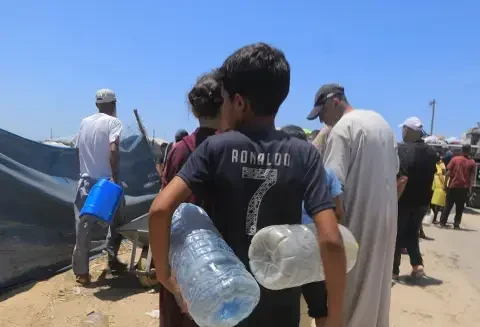
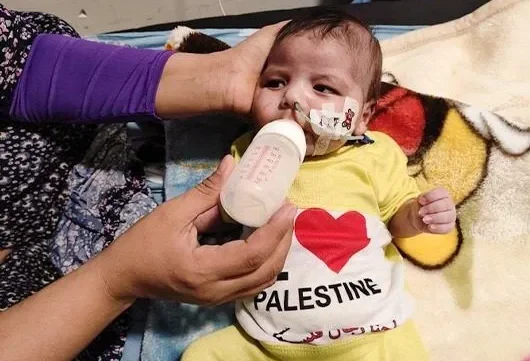
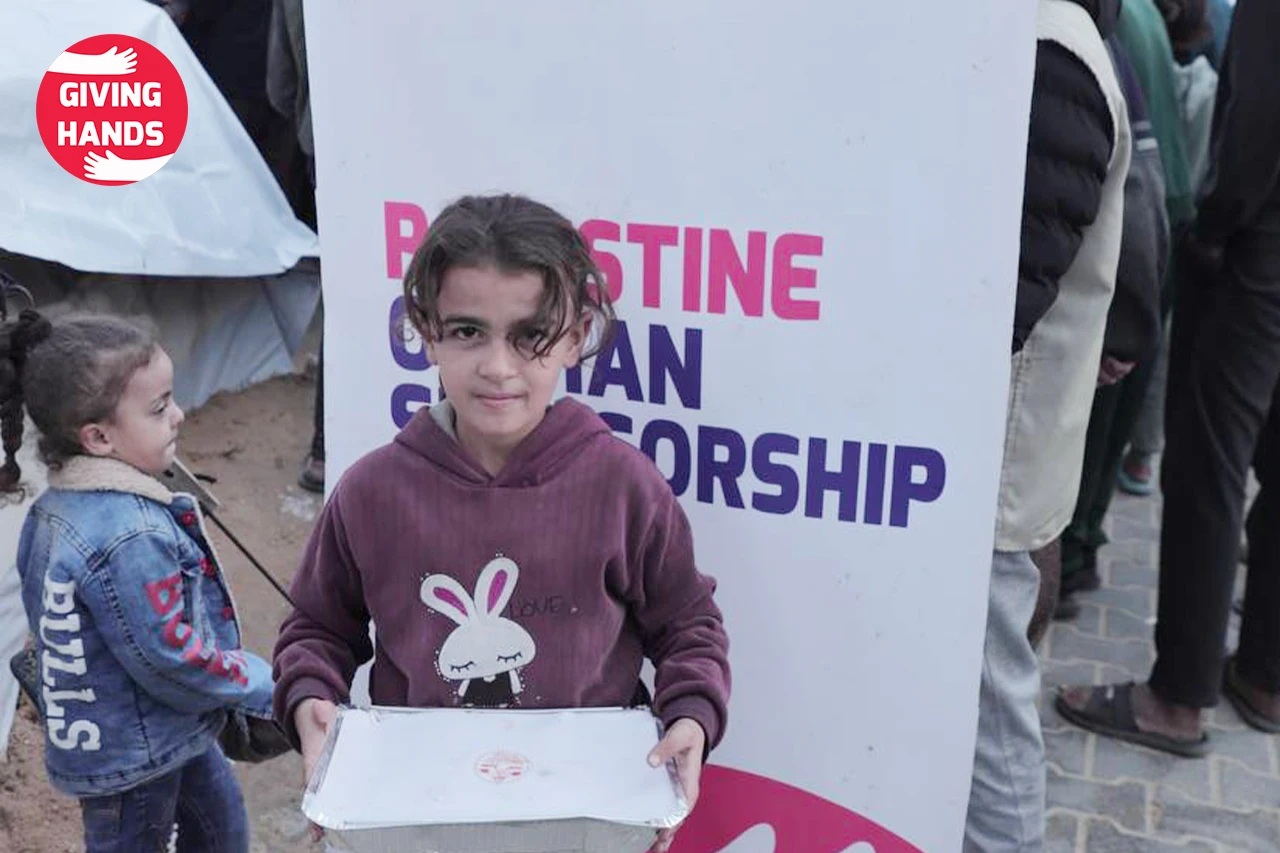
Sadaqah reaches those who need it most: orphans, displaced families, and communities with no access to clean water or food. According to UNICEF, about 333 million children worldwide live in extreme poverty. Gazarian children, Rohingya families in Cox’s Bazar, Sudarian communities in displaced camps, and Bangladeshi families after seasonal floods all live inside that number. But the giver benefits too. That’s the part many Muslims forget. The Prophet Muhammad (peace be upon him) said the hand that gives is better than the hand that receives (Sahih al-Bukhari, no. 1427). Sadaqah lifts both sides. That’s its design.
How Sadaqah Connects to Long-Term Change
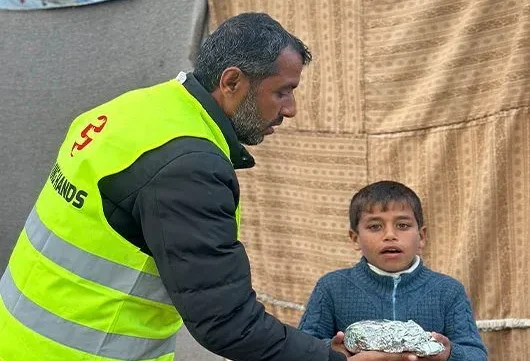
One act of sadaqah rarely solves a crisis. But sustained sadaqah, given week after week, funds the kind of work that actually holds. A water point stays clean because someone maintains it. A child stays in school because the sponsorship doesn’t stop. Giving Hands channels ongoing sadaqah into long-term programs built on this logic. The ummah has always understood that charity isn’t a one-time fix. It’s a continuous practice. Ibn Baz wrote that regular sadaqah reflects trust in Allah’s promise of return. That trust, expressed consistently, is what builds something lasting.
What the Benefits of Giving Sadaqah Mean for You Today
Sadaqah isn’t just a spiritual act. It’s a practical force. The benefits of giving sadaqah touch the giver’s heart, the recipient’s life, and the wider community all at once. According to UNICEF, around 333 million children live in extreme poverty right now. Every act of sadaqah pushes against that number. Sadaqah protects wealth, draws forgiveness, and builds resilience in the giver. It funds clean water, food, and shelter for those who have none. At Giving Hands, this is the work we commit to long-term.
Does Sadaqah Have to Be Money?
No. Sadaqah includes any good act given freely for the sake of Allah. The Prophet Muhammad (peace be upon him) said that even a smile is sadaqah (Sahih al-Bukhari). A kind word counts. Sharing knowledge counts. Volunteering time counts. Money is one form, but not the only one. The Islamic tradition has always treated generosity as a full-body practice, not just a financial transaction.
How Do You Make Sadaqah a Habit?
Start small and keep it consistent. Ibn Baz wrote that regular sadaqah, even in small amounts, reflects genuine trust in Allah’s promise of increase. Pick a fixed time each week. Set a simple amount. Don’t wait for a large sum. The Prophet Muhammad (peace be upon him) said the most beloved deeds to Allah are those done consistently, even if small (Sahih al-Bukhari, no. 6464). Consistency builds the habit. The habit builds character.
Behind every lasting change is a long chain of quiet decisions. Someone chose to give again this month. Someone chose to stay involved after the crisis left the headlines. At Giving Hands, that’s how we work. Our programs across Palestine, Bangladesh, Sudan, Somalia, and beyond keep running because people make sadaqah a steady practice, not a one-time event. The families we support don’t need a single moment of generosity. They need a community that keeps showing up. See how this work continues.