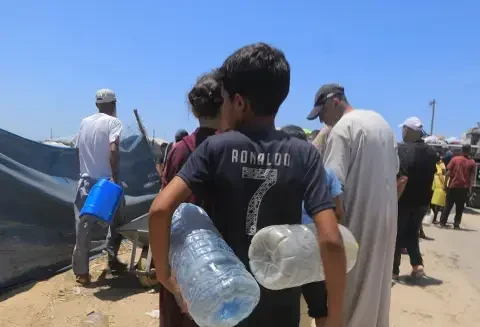
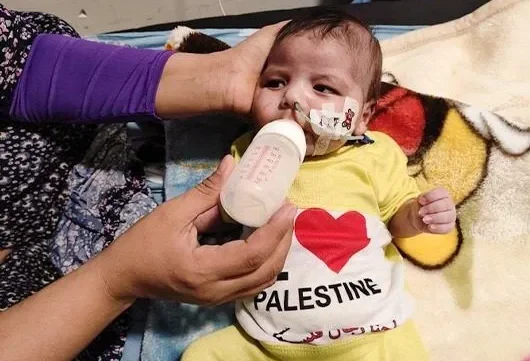
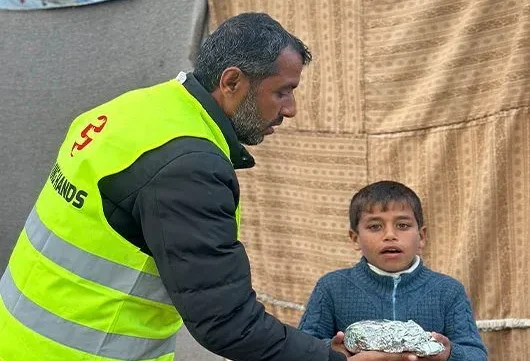


The blessed days of Dhul Hijjah 2026 are nearly upon us. For many, this time brings a special focus on animal sacrifice in islam, a sacred tradition known as Qurbani. This act of worship honors the deep devotion of Prophet Ibrahim (AS) and helps millions of people in need around the globe. Whether you are performing your first sacrifice or your fiftieth, getting the details right is vital for your worship. It is not just about the act itself. It is about your intention, the quality of the animal, and the mercy you show during the process. At Giving Hands, we help you fulfill this duty with ease and excellence. Our guide provides everything you need to know about the rules and rewards of this holy season. Let us prepare our hearts for a journey of faith and sharing.
Animal Sacrifice in Islam: The Complete 2026 Qurbani Guide
Performing Qurbani is a major highlight of the Islamic lunar calendar. It happens during Eid al-Adha, the Festival of Sacrifice. This act reminds us of the power of submission to Allah (SWT). It also serves as a massive humanitarian effort to feed the hungry. This year, your sacrifice can reach even more people in vulnerable communities. This guide will walk you through every rule and step to ensure your worship is valid and meaningful.
The History Behind the Tradition
The history of animal sacrifice in islam starts with a powerful story of faith. Allah tested Prophet Ibrahim (AS) with a difficult command. He asked Ibrahim (AS) to sacrifice his beloved son, Ismail (AS). Ibrahim (AS) was ready to obey immediately. At the last second, Allah replaced Ismail (AS) with a ram.
This moment showed that true devotion lies in the heart. Allah did not want the sacrifice of a human. He wanted to see Ibrahim’s (AS) complete trust and obedience. Today, we sacrifice an animal to celebrate this legacy. We prove that we are ready to give up our own wealth for the sake of our Creator. It is a time to reflect on our own levels of faith and gratitude.
Who is Required to Give?
Not everyone has to perform the sacrifice. The duty depends on your wealth. In Islam, we use the “Nisab” threshold to decide. If you have wealth above this level, you must give.
In the Hanafi school of thought, Qurbani is “Wajib” or required. This applies to every adult Muslim who stays at home and has the means. Other schools see it as a very strong recommendation. If you have enough money to pay Zakat, you should perform Qurbani. It is a personal duty. Both a husband and wife should provide their own shares if they both have the wealth. This brings immense blessings to your household and your finances.
Calculating the 2026 Nisab Threshold
The Nisab value changes every day based on the price of gold and silver. For 2026, most scholars recommend using the silver standard. This allows more people to participate in the reward.
As of April 2026, the silver Nisab depends on today’s silver price in pounds sterling. If your “extra” wealth (savings, gold, or property) is higher than this, you must give. You should check the live rates as Eid approaches to be sure. This ensures you fulfill your religious duty accurately. If you are struggling financially, you are not required to give. Allah is merciful and knows your situation.
Key Dates for Your 2026 Sacrifice
You must perform the sacrifice during the days of Eid al-Adha. You cannot do it whenever you like. In 2026, Eid al-Adha is expected to begin on Tuesday, May 26th.
The sacrifice starts after the Eid prayer on the 10th of Dhul Hijjah. You have a three-day window to complete the act. This lasts through the 10th, 11th, and 12th days of the month. The window ends at sunset on the 12th. If you sacrifice your animal before the Eid prayer, it does not count as Qurbani. It is just regular meat. Make sure you plan your donation early to ensure everything happens on time.
Choosing the Right Animal for Qurbani
Allah deserves the best we can offer. You should choose a high-quality animal for your sacrifice. There are strict rules about the types and ages of animals you can use.
- Sheep and Goats: Must be at least one year old. One person can claim one sheep or goat.
- Cows and Buffaloes: Must be at least two years old. Up to seven people can share one cow.
- Camels: Must be at least five years old. Seven people can share one camel.
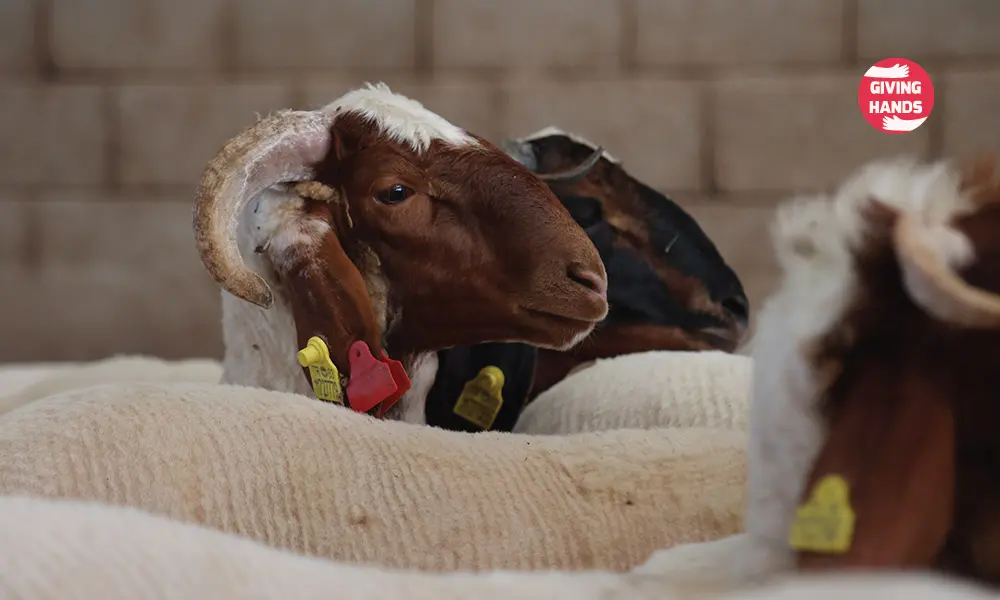
The animal must be healthy. Do not pick an animal that is sick, weak, or very thin. It should not be blind or have major injuries. If the animal can walk to the place of slaughter on its own, it is usually a good sign. Selecting a strong animal shows your respect for the ritual.
How Qurbani Shares Work
Many people ask about “shares.” A share is a portion of the sacrifice.
A small animal like a goat or sheep is one share. One person pays for this. A large animal like a cow has seven shares. This is helpful for big families. You can buy one share in a cow for each person in your home. You can also buy a whole cow for yourself if you want to feed more people. This flexibility makes it easier for everyone to join in. At Giving Hands, we manage these shares for you to make the process simple.
Step-by-Step Ritual (Dhabihah)
The process of the sacrifice requires care and respect. We follow the rules of “Dhabihah.” This makes the process quick and painless for the animal.
First, make your intention (Niyyah) in your heart. You are doing this for Allah. Place the animal on its left side and face it toward the Qibla. Use an extremely sharp knife. This is vital for the animal’s comfort. Recite the prayer: “Bismillahi Allahu Akbar.” Cut the throat, windpipe, and the main blood vessels in one quick motion. Do not skin the animal until it is completely cold and the life has left it. This level of care shows your piety.
Animal Welfare is a Core Islamic Value
Islam teaches us to be kind to all living things. This is very important during animal sacrifice in islam. You should never sharpen your knife in front of the animal. This causes them unnecessary stress.
Do not slaughter one animal in view of another. Give the animal fresh water before the sacrifice. Treat the animal with dignity and gentleness. The Prophet Muhammad (SAW) taught us that Allah has prescribed excellence in everything. This includes how we treat the creatures we sacrifice. By showing mercy, you increase the quality of your worship and your heart.
Rules for Sharing the Meat
Once the sacrifice is over, you have meat to share. The best way is to divide it into three equal parts.
- Your Family: Use one-third to cook a feast for your own home.
- Friends and Neighbors: Give one-third to your loved ones and people nearby.
- The Poor: Give the final third to those who cannot afford meat.
In modern countries, many people send their whole sacrifice abroad. This is a great choice. It ensures that people in war zones or poor villages get to eat. At Giving Hands, we take your donation and give 100% of the meat to those in need. This makes your gift go much further.
The Sunnah of Not Cutting Hair and Nails
There is a special Sunnah for those giving Qurbani. From the first day of Dhul Hijjah, you should try not to cut your hair or nails. You wait until your sacrifice is complete.
This is not a mandatory rule, but it is a “Mustahabb” or recommended act. It helps you feel connected to the pilgrims performing Hajj in Makkah. It is a simple way to show your dedication to the act of worship. Once you hear that your animal is sacrificed, you can trim your hair and nails. This adds a beautiful layer of discipline to your holiday.
Giving on Behalf of Others
You can honor your loved ones through your sacrifice. Many people give an extra share for their parents or relatives who have passed away. This acts as a “Sadaqah Jariyah” or ongoing charity for them.
You can also perform a “Prophetic Qurbani.” This is an extra sacrifice on behalf of the whole Muslim community. The Prophet Muhammad (SAW) used to do this for those who were too poor to give. Reviving this Sunnah is a powerful way to double your reward. It ensures that even the poorest Muslims can enjoy a meal on Eid day.
Rules for the Butcher and the Skin
There are a few strict “don’ts” when it comes to the remains of the animal. First, you cannot pay the butcher with meat from the animal. You must pay his wages separately with your own cash.
Second, you cannot sell the skin or any part of the animal for profit. If you keep the skin, you can use it at home. Most people choose to donate the skin to a charity. The charity sells it and uses the money to help orphans or build wells. This way, every single part of the animal does good in the world.
Why Choose Giving Hands for Your 2026 Qurbani?
Performing a sacrifice yourself is hard in many modern cities. There are health laws and logistics to think about. Giving Hands makes the process easy and safe.
We find healthy animals in high-need regions like Yemeni refugees , Gaza, and East Africa. Our teams follow every religious rule strictly. We ensure the meat goes to widows, orphans, and the elderly. When you donate to us, you get peace of mind. You know your religious duty is fulfilled perfectly. You help fight hunger in the name of Allah. We provide updates and transparency so you can see your impact.
Common Mistakes to Avoid
Even experts can make mistakes. Here are a few things to watch for:
- Sacrificing Too Early: If you do it before the Eid prayer, it is not a Qurbani.
- Picking Young Animals: Using a sheep under one year or a cow under two years invalidates the act.
- Selling the Skin: Never take money for the skin of your sacrifice.
- Forgetting the Niyyah: Always make your intention before the slaughter begins.
Final Thought: A Bridge to the Divine
As we approach the 2026 season, let us focus on our hearts. Allah does not need the meat or the blood of the animals. He wants our piety. Animal sacrifice in islam is a bridge between us and our Creator. It is a moment to step away from our busy lives and focus on mercy. Whether you sacrifice locally or send your gift across the ocean, your intention is what matters most. Let’s make this year’s sacrifice a source of peace for ourselves and a source of hope for the world.