

What Is Sadaqah in Islam?
Sadaqah is voluntary charity given freely to please Allah. Unlike zakat, it has no fixed amount or deadline. A Muslim can give sadaqah at any time — money, food, a kind word, or even a smile. The Prophet Muhammad ﷺ called it a shield against hardship.
Why Sadaqah Matters Right Now
Sadaqah is one of the few acts in Islam that benefits the giver *and* the receiver. The UN’s 2025 Humanitarian Needs Report found that over 305 million people needed emergency aid last year. Sadaqah, when directed well, reaches people no government budget can.
Sadaqah by the Numbers: What Most People Don’t Know
Muslim-majority countries rank among the world’s most generous by GDP share, according to the Charities Aid Foundation World Giving Index 2024. Sadaqah jariyah — ongoing charity — can multiply a single act into decades of reward. One well, one school, one act of kindness can outlast the giver by generations.
The Spiritual Benefits of Giving Sadaqah in Islam
Sadaqah purifies the soul and brings the giver closer to Allah. The Quran states: *”Who is it that would loan Allah a goodly loan so He may multiply it for him many times over?”* (Al-Baqarah 2:245, Sahih International). That multiplication isn’t just metaphor. It’s a promise.
Does Sadaqah Remove Sins?
Yes. The Prophet Muhammad ﷺ said that sadaqah extinguishes sin the way water extinguishes fire (Tirmidhi, no. 2616). This hadith appears in multiple collections. Scholars like An-Nawawi cited it often when teaching on repentance.
Does Sadaqah Protect Against Hardship?
It does. The Prophet ﷺ taught that sadaqah wards off a bad death (Tirmidhi, no. 664). Many Muslims give at the start of a journey or before a hard decision. It’s not superstition. It’s a practice backed by clear prophetic guidance.
Does Sadaqah Heal the Heart?
Giving breaks the grip of attachment to wealth. Ibn Uthaymeen wrote that generosity softens the heart and opens it to gratitude. Sadaqah shifts focus from what you hold to what you give. That shift changes a person.
The Physical Benefits of Giving Sadaqah in Islam
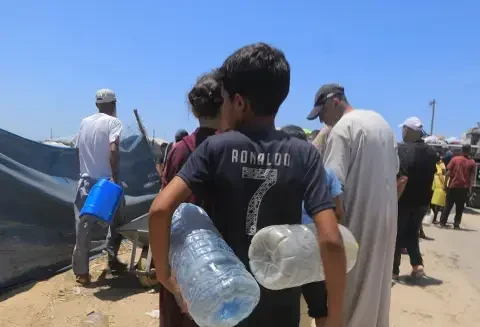
Sadaqah creates real-world change — not just spiritual reward. The World Health Organization reports that 2 billion people still lack safe drinking water at home. Charitable acts directed at basic needs — water, food, medicine — save measurable lives.
Can Sadaqah Actually Improve Your Health?
Research suggests it can. A Harvard study published in Health Psychology found that giving to others lowers cortisol and improves long-term wellbeing. Generosity activates areas of the brain linked to reward and calm. The Prophet ﷺ knew this long before any lab did.
What Happens in the Community?
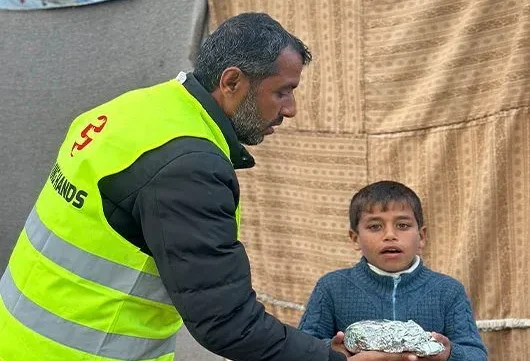
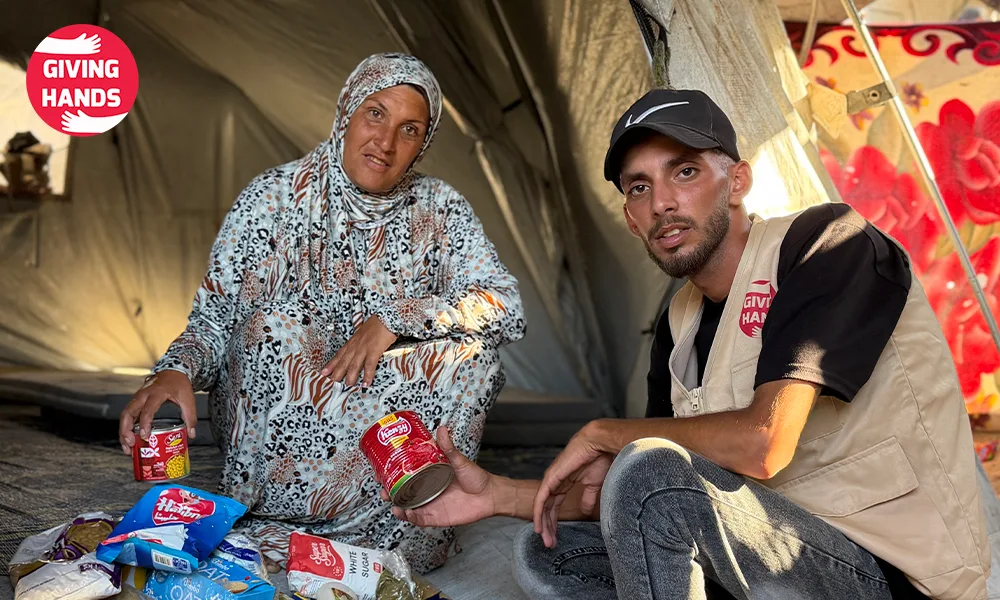
One act of sadaqah rarely stops with one person. A bag of food feeds a family. That family stays healthy. A child goes to school. Communities in remote Pakistan and parts of sub-Saharan Africa are slowly turning hardship around — but the change takes years, not months, and depends on quiet, consistent support from people far from the problem.
What Are the Types of Sadaqah in Islam?
Sadaqah covers far more than money. Scholars classify it broadly: financial giving, physical acts of service, and non-material kindness. Each carries full reward. The Prophet ﷺ said: *”Every act of kindness is sadaqah”* (Sahih al-Bukhari, no. 6021).
What Is Sadaqah Jariyah?
Sadaqah jariyah is ongoing charity. Its reward continues after the giver dies. Examples include funding a well, planting a tree, or teaching someone a skill. The Prophet ﷺ named it one of three deeds that outlast death (Sahih Muslim, no. 1631).
Does a Smile Count as Sadaqah?
It does. The Prophet ﷺ said: *”Your smile for your brother is sadaqah”* (Tirmidhi, no. 1956). This matters. It means every Muslim — rich or poor — can give right now. Sadaqah has no minimum and no excuse.
Can Sadaqah Be Given on Behalf of the Dead?
Yes. It reaches the deceased. The Prophet ﷺ confirmed this when a companion asked about giving on behalf of his late mother (Sahih al-Bukhari, no. 1388). Many Muslims dedicate sadaqah to deceased parents during Ramadan and beyond.
Common Mistakes About the Benefits of Giving Sadaqah in Islam
Most people give sadaqah — but many misunderstand what it does and doesn’t do. Clearing up those gaps helps givers act with more intention.
Does Sadaqah Require a Big Amount?
No. Amount doesn’t determine reward.
What the Benefits of Giving Sadaqah in Islam Mean for You
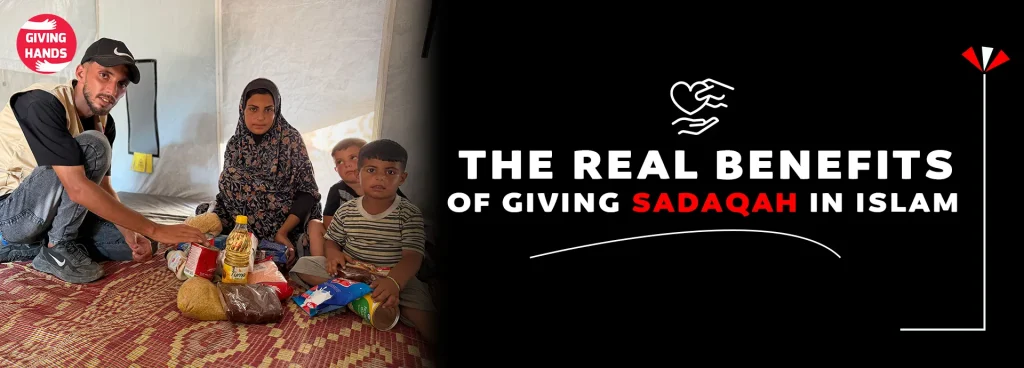
The evidence is clear. Sadaqah protects wealth, eases hardship, and builds community — all at once. The Giving Hands UK team sees this play out in the field every year.
How Do You Start Giving Sadaqah?
Start small. A smile counts. So does £1. Pick one act today — feed someone, share knowledge, remove a hazard from a path. The habit matters more than the amount.
Does the Intention Matter More Than the Amount?
Yes. The Prophet ﷺ said every act of good intention earns reward (Sahih al-Bukhari, no. 1). A £5 act given with full sincerity outweighs a £500 act given for show.
Change doesn’t come from one big moment. It comes from people who keep showing up — quietly, consistently, year after year. At Giving Hands UK, that quiet, steady work is what drives everything we do.