

Sadaqah is voluntary charity in Islam — given freely, at any time, with no fixed amount. It differs from Zakat, which is obligatory. The Prophet Muhammad ﷺ described even a smile as sadaqah, showing it covers far more than money.
Why Sadaqah Matters Right Now
Sadaqah has never been more needed. The UN estimates over 700 million people still live on less than £2.15 USD a day. A single act of sadaqah — even £5 USD — can change what a family eats that night.
Sadaqah by the Numbers
The impact of sadaqah scales fast. UNICEF reports that about 333 million children live in extreme poverty worldwide. Islamic giving — sadaqah, Zakat, and Waqf combined — moves billions of dollars each year toward those children. It’s not a small act.
The Spiritual Benefits of Giving Sadaqah in Islam
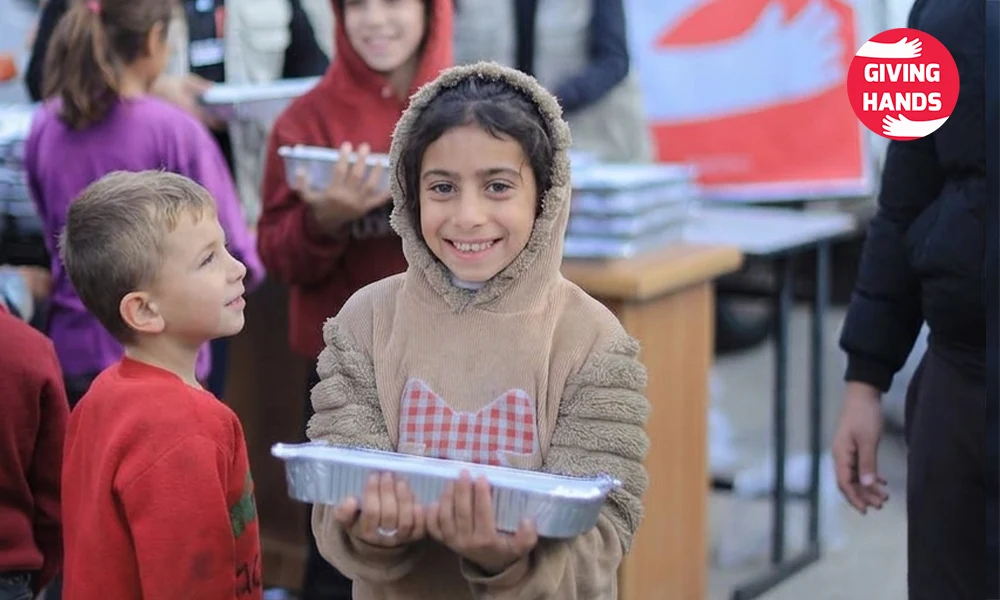
Sadaqah cleans the soul. The Prophet Muhammad ﷺ said: “Charity extinguishes sin as water extinguishes fire” (Tirmidhi, no. 614). It’s not just generosity — it’s a form of purification.
Does Sadaqah Remove Sins?
Yes. Scholars like Imam An-Nawawi confirmed this hadith shows sadaqah wipes away minor sins. The act itself resets something inside the giver. It’s not symbolic — it’s real spiritual maintenance.
Does Sadaqah Increase Rizq (Provision)?
The Quran states: “Allah destroys interest and gives increase for charities” (Surah Al-Baqarah 2:276, Sahih International). Giving doesn’t shrink what you have. Islamic tradition holds the opposite — it opens doors that were closed.
Does Sadaqah Protect Against Hardship?
Many scholars cite the hadith: “Give sadaqah without delay, for it stands in the way of calamity” (Tirmidhi). It acts as a shield — not just for the receiver, but for the giver too.
The Worldly Benefits of Giving Sadaqah in Islam
Sadaqah changes lives — not just spiritually. The World Bank links consistent charitable transfers to measurable drops in child malnutrition rates. Small, repeated giving does what big, one-time aid rarely does.
What Does Sadaqah Do for the Receiver?
It covers gaps that governments and systems miss. A £30 sadaqah can feed a family for a week in many low-income regions. That’s not abstract — it’s a child who goes to school full instead of hungry.
What Does Sadaqah Do for the Giver?
Research from Harvard’s Human Flourishing Program shows giving is tied to lower depression rates and higher life satisfaction. Islam said this first. Science caught up later.
What Does Sadaqah Do for the Community?
It builds trust. Communities where people give regularly show stronger social bonds. Sadaqah creates a culture — one where no one falls too far without someone reaching out.
Common Misconceptions About the Benefits of Giving Sadaqah in Islam
Many people think sadaqah only counts if it’s large. That’s wrong. The Prophet Muhammad ﷺ said even half a date given in charity is accepted by Allah if given sincerely (Sahih al-Bukhari, no. 1413). The amount is not the point.
“Sadaqah Only Means Money”
Not true. The Prophet ﷺ listed smiling, removing harm from a path, and helping someone carry a load as sadaqah (Sahih al-Bukhari, no. 2989). Money is one form. Kindness is another.
“You Need to Be Wealthy to Give Sadaqah”
No. The Quran praises those who give “from what they have been given” — even a little (Surah Al-Baqarah 2:254, Sahih International). Sadaqah scales. A £5 act holds the same spiritual weight as a £500 one — if the intention is pure.
“Sadaqah Loses Value If You Talk About It”
Public sadaqah is allowed — and sometimes better. The Quran mentions both private and public giving (Surah Al-Baqarah 2:271). The intent behind the giving is what matters, not the size of the audience.
Real Impact: A Family in Kurigram, May 2025
Our team visited Kurigram District, Bangladesh in May 2025. We met a woman named Fatima — a mother of four. Her youngest, a boy named Riyad, had missed three months of school because the family couldn’t afford his books. A sadaqah fund — built from small, repeated contributions — covered his school costs for the year.
Why Small, Repeated Giving Works Better
One big donation moves fast and fades fast. But consistent sadaqah — £10 a month, month after month — lets programs plan. Fatima’s school fund existed
What the Benefits of Giving Sadaqah in Islam Mean for You
The research is clear. Sadaqah builds wealth, health, and community — all at once. The World Bank links consistent charitable giving to stronger local economies. You don’t need a plan. You need a start.
Start Where You Are
Small acts count. The Prophet Muhammad ﷺ said even a smile is sadaqah (Sahih al-Bukhari, no. 6021). Pick one habit — a weekly act, a monthly amount — and hold it.
Sadaqah Jariyah: The Gift That Outlasts You
Some sadaqah keeps giving after you’re gone. A well. A school. A funded meal program. These are sadaqah jariyah — ongoing charities. The reward continues as long as the benefit does (Sahih Muslim, no. 1631).
Fatima’s school fund existed because people made a quiet, repeated choice — month after month, long after the moment passed. At Giving Hands UK, that’s how the work runs. No headlines. Just consistency. See how this work continues →.