

Yes, zakat can be given to orphans. But not because they’re orphans. It’s because most orphans are poor. Zakat goes to those who qualify under the eight categories in Surah At-Tawbah (9:60). Poverty is the key condition. An orphan who is wealthy doesn’t qualify. One who is poor does. This distinction shapes how scholars and charities handle zakat for children without parents.
Why Giving Zakat to Orphans Matters Right Now
Orphans rank among the most vulnerable people on earth. UNICEF estimates over 140 million children have lost one or both parents. Most lack stable income, which places them firmly in the “fuqara” (the poor) category of zakat recipients. The Quran and hadith both stress the care of orphans as a serious obligation. The Prophet Muhammad (peace be upon him) made this personal. He said the one who cares for an orphan will be close to him in Paradise, as recorded in Sahih al-Bukhari. That’s not a general encouragement. It’s a direct spiritual motivation. Understanding who qualifies, and why, helps donors give with confidence. You can learn more about our orphan sponsorship program and how Giving Hands reaches children across some of the world’s most underserved communities.
Zakat and Orphans: What Most People Don’t Know
Most donors assume orphan status alone makes a child eligible for zakat. It doesn’t. Islamic scholars, including Imam an-Nawawi in Al-Majmu, are clear: the qualifying condition is poverty, not family status. An orphan who inherits wealth may not receive zakat at all. But in practice, the vast majority of orphaned children globally are also poor, displaced, or without a guardian who can provide for them. UNICEF data shows that children without parental care face a much higher risk of poverty, malnutrition, and limited education. This overlap between orphan status and financial need means that zakat, when properly verified, nearly always reaches eligible children. The religious and practical cases align far more often than people expect.
Does the Orphan Need to Be Fully Parentless?
Not always. Islamic scholars define an orphan as a child who has lost their father before reaching puberty. This comes from classical fiqh texts, including Imam an-Nawawi’s Al-Majmu. The mother may still be alive. The father’s absence is what triggers the legal status. But for zakat, the key question isn’t parentage alone. It’s whether the child lacks adequate financial support. A child with a living mother who can’t provide basic needs may still qualify for zakat. So the fuller picture matters: loss of a provider, plus financial hardship, plus no one else to fill the gap.
What If the Mother Remarries?
When a mother remarries, the new husband becomes the financial guardian of her children in classical Islamic law. This can affect zakat eligibility. If the stepfather provides adequately, the orphan may no longer qualify. But if the stepfather is also poor, or if he refuses to support the children, the hardship remains. Zakat collectors and charities serving these families must verify the actual financial situation, not just the family structure. Guardian coverage on paper doesn’t always match reality on the ground.
What About Orphans Who Live With Extended Family?
Many orphaned children across Bangladeshi, Somali, and Palestinian communities live with grandparents, aunts, or uncles. The presence of extended family doesn’t automatically disqualify them from zakat. The relevant question is whether the relative can provide food, shelter, clothing, and education at a basic level. According to UNICEF, children in informal kinship care face high rates of unmet educational and nutritional needs. If those basic needs aren’t met, zakat eligibility likely applies. The child’s actual living conditions, not just who they live with, determines the ruling.
Common Misconceptions About Zakat and Orphans
The biggest misconception is that donating to orphans automatically counts as zakat. It doesn’t. The donation only qualifies as zakat if the orphan is poor and the transfer reaches them directly or through a trustworthy intermediary. A child placed in a well-funded institution, or one who has inherited property, may not be zakat-eligible. Another common error is assuming that orphan sponsorship programs automatically distribute zakat. Some do. Some don’t. Donors should ask explicitly whether the program separates zakat funds from general sadaqah before committing their annual zakat obligation to any specific program.
Is Sponsoring an Orphan the Same as Paying Zakat?
No, not automatically. Sponsoring an orphan is a noble act of charity. But it only becomes valid zakat when the child meets the nisab-based poverty threshold, the funds are properly classified, and the charity has a verified zakat distribution mechanism. Scholars like Sheikh Ibn Uthaymeen have emphasised that zakat must be paid with clear intention and must reach a valid recipient category. A donor should confirm with the charity whether their specific contribution is being applied as zakat before treating it as such in their religious accounting.
Who Is Most Affected by Orphan Poverty Globally?
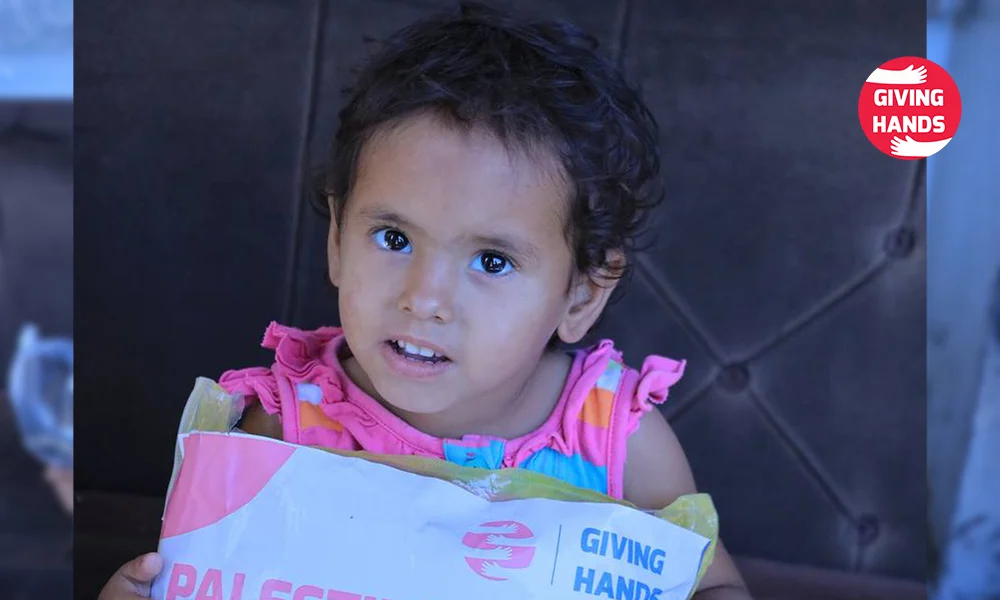
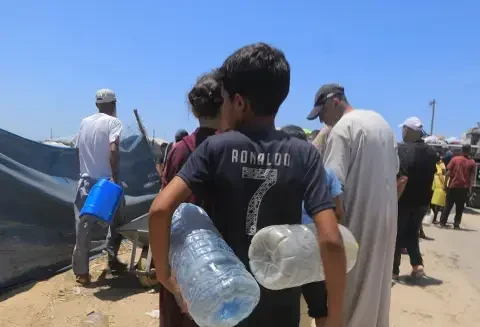
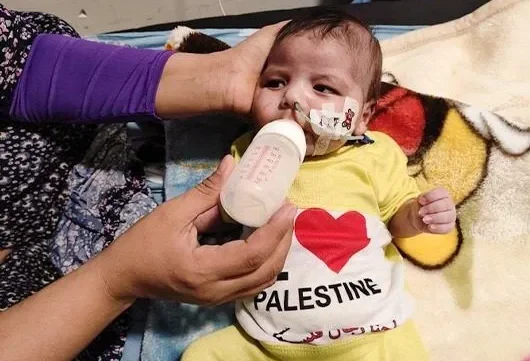
The children most affected by orphan poverty are concentrated in conflict-affected and low-income regions. Rohingya children in Cox’s Bazar, Palestinian children in besieged areas, and Sudarian children in displaced communities face the sharpest shortfalls. According to UNICEF, there are about 140 million children globally who have lost at least one parent. The majority live in sub-Saharan Africa and South Asia. These children are far more likely to drop out of school, face malnutrition, and miss basic healthcare. Quiet, consistent support from communities far from these regions is often the only thing that changes this picture. Season after season, that continuity matters more than a single large gesture.
What Zakat and Orphan Care Mean in Practice
Zakat can reach orphans, but only when the right conditions are met. The orphan must fall below the nisab threshold, the funds must be classified correctly, and the distributing organisation must have a verified zakat mechanism in place. UNICEF estimates there are around 140 million children globally who have lost at least one parent. Many of them fall well below any reasonable poverty line. For Muslims asking where their zakat makes the most difference, orphan sponsorship programs that meet these conditions are among the most impactful choices available.
Does the Orphan’s Guardian Affect Zakat Eligibility?
Yes, the guardian’s financial situation matters. If a child lives with a guardian who earns above the nisab level and is legally responsible for the child’s care, the child may not qualify as a zakat recipient in their own right. Scholars from the Hanbali and Shafi’i schools both take this position. But if the guardian is also poor, or if the child has no stable guardian, the child qualifies directly. Each case should be assessed individually, not assumed.
Should You Verify How a Charity Uses Your Zakat?
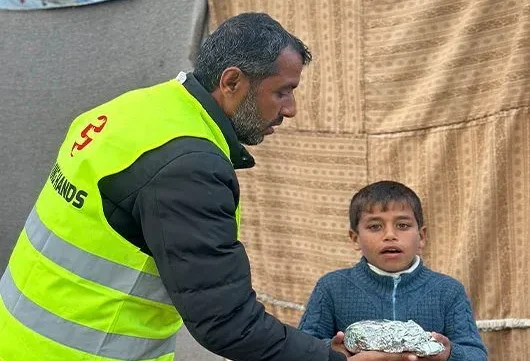
Yes, and it matters more than most donors realise. Not all orphan programs distribute zakat. Some run entirely on sadaqah or general donations. Before treating a contribution as zakat in your own religious accounting, confirm in writing that the charity classifies it as zakat and distributes it to eligible recipients. A simple email to the charity’s zakat desk is enough. Giving Hands is transparent about how funds are classified across its programs.
Behind every child who stays in school, eats a full meal, or sleeps somewhere safe, there is a chain of small, consistent decisions by people who stayed involved. Orphan care at scale does not happen through one-off gestures. It holds together because communities keep showing up, year after year, even when the news has moved on. The work Giving Hands carries out across the regions it serves continues because of that kind of steady commitment. See how this work continues.