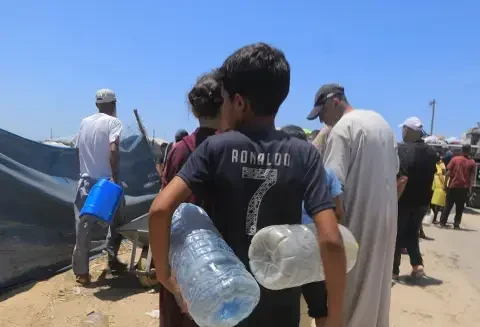
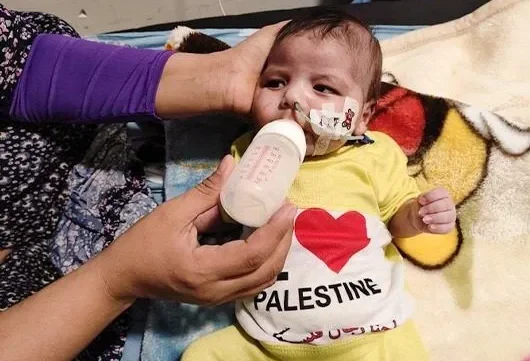
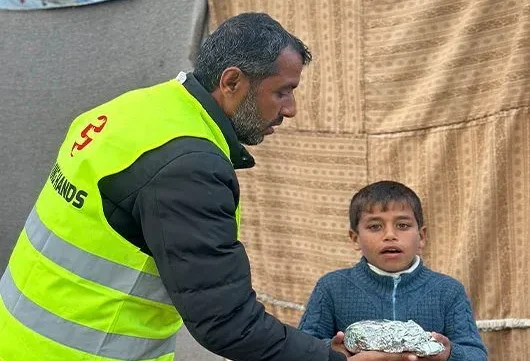


To Give Sadaqah jariyah is ongoing charity whose reward continues after you die. Unlike regular sadaqah, it funds something that keeps giving — a well, a school, a Quran. The Prophet Muhammad (peace be upon him) named it one of three deeds that survive death, alongside beneficial knowledge and a righteous child who prays for you. Any Muslim, at any income level, can give it.
Why Sadaqah Jariyah Matters Right Now
More than 700 million people lack access to clean water, according to the United Nations. That’s not an abstract number. Behind it are families who walk hours each day just to survive. A single water project can serve a community for decades. That’s what makes sadaqah jariyah so powerful: one act of giving multiplies across years, not days. It’s one of the most direct ways to turn limited funds into lasting change. You can see how we approach long-term giving at Giving Hands through work that’s built to last, not just to respond. Sadaqah jariyah isn’t charity for the moment. It’s charity for the long run.
Key Facts About Sadaqah Jariyah Most People Miss
The hadith that defines sadaqah jariyah comes from Sahih Muslim (hadith 1631). The Prophet (peace be upon him) said that when a person dies, their deeds end except for three. Scholars like Imam al-Nawawi explained this means the reward flows continuously as long as the benefit exists. That means a well built today could still earn you reward in thirty years. And it’s not just physical projects. Teaching someone the Quran, funding Islamic education, or building a masjid all count. According to UNICEF, more than 300 million children have no access to quality education. Sadaqah jariyah can reach them too.
What Forms Can Sadaqah Jariyah Take?
Sadaqah jariyah isn’t limited to one type of giving. Scholars agree it covers any act whose benefit outlasts the giver’s life. The most common forms include water projects, educational endowments, Quran teaching, and building places of worship. Ibn al-Qayyim listed knowledge as among the highest forms, because it spreads from person to person without end. According to UNESCO, about 250 million children worldwide can’t read or write. Funding one teacher or one school library can set off a chain of learning that no one can fully trace or measure.
Water and Infrastructure
Clean water projects are the most widely cited form of sadaqah jariyah. A single well or water pump can serve a community for decades. Bangladeshi villages, Somali towns, and Rohingya settlements in Cox’s Bazar all face water access gaps that leave families walking hours each day. When a well goes in, it changes daily life in ways that are hard to overstate. Children stop getting sick. Women gain back hours of their day. Those hours go into work, family, and learning.
Knowledge and Education
Teaching someone to recite and understand the Quran is one of the clearest forms of sadaqah jariyah. The Prophet (peace be upon him) said, in a hadith recorded by Tirmidhi, that the best among people is the one who learns the Quran and teaches it. An Islamic school, a library, or even a single sponsored student can pass knowledge to hundreds more over time. That chain of learning doesn’t stop when the original donor passes away. The reward keeps flowing as long as the knowledge does.
Common Mistakes When Giving Sadaqah Jariyah
Many Muslims give sadaqah jariyah without checking whether the project is built to last. A well with no maintenance plan breaks within a few years. A school with no trained staff closes. The giving was sincere, but the impact stopped early. Real sadaqah jariyah requires more than a one-time payment. It needs a program designed for the long run, with local teams who stay after the donor moves on. When choosing where to give, ask how the project is managed after it’s built, not just how it’s built.
Who Benefits Most From Sadaqah Jariyah?
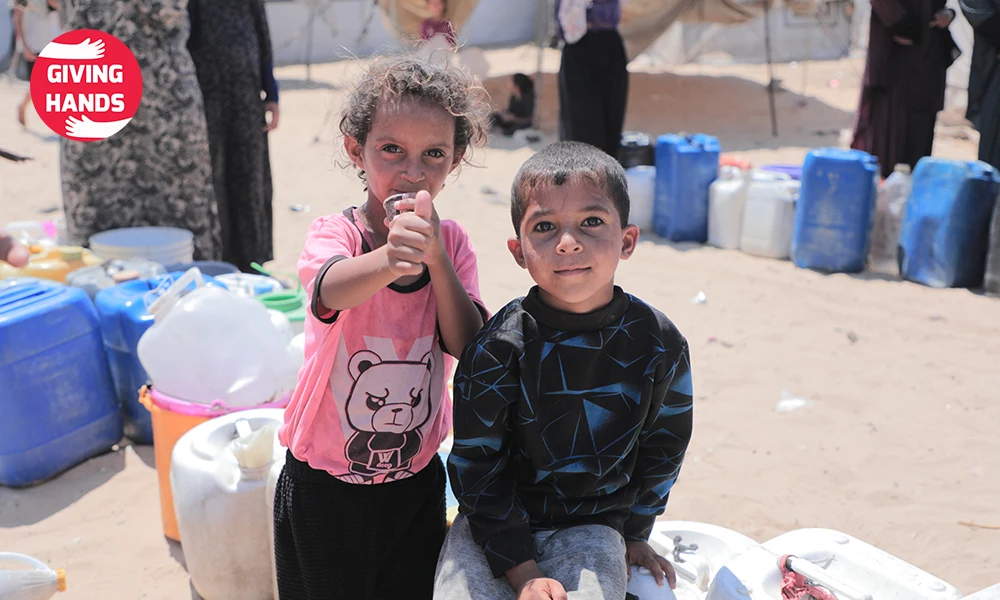
Orphans and displaced communities gain the most from sadaqah jariyah. They have no safety net and no family wealth to fall back on. Palestinian families in besieged areas, Sudanian children in displaced camps, and Rohingya communities cut off from basic services all share one thing. They need support that doesn’t disappear after a single season. UNICEF estimates that roughly 333 million children live in extreme poverty worldwide. For them, a long-term project isn’t a bonus. It’s the difference between a life that moves forward and one that stays stuck.
How Sadaqah Jariyah Connects to the Ummah’s Shared Duty
The ummah is one body. That’s not just a metaphor. It’s a practical call to action. When one part of the ummah suffers, others are expected to respond. Sadaqah jariyah is one of the clearest tools for that response. It lets a Muslim in a stable country build something lasting for a family in a broken one. The giving takes a moment. The benefit runs for years. And the reward continues long after the giver’s name is forgotten. Quiet, consistent support from people far from the crisis is what keeps long-term programs alive.
What Sadaqah Jariyah Means for You Right Now
Sadaqah jariyah isn’t a future plan. It’s a present choice with a permanent outcome. Every Muslim carries the ability to plant something that outlasts them. UNICEF estimates 333 million children live in extreme poverty today. Many of them are in communities with no clean water, no school, no shelter. A single act of ongoing charity can change that trajectory. Programs built on sadaqah jariyah keep running long after the initial gift. That’s not hope. That’s how lasting change works. The work Giving Hands focuses on is built exactly this way.
Can You Give Sadaqah Jariyah Without a Large Sum?
You can. Sadaqah jariyah has no minimum. What matters is the lasting nature of what the gift builds. A small, consistent amount directed toward a well, a classroom, or an orphan’s education can qualify. Scholars like Imam al-Nawawi noted that even minor acts of ongoing benefit count when the intention is sincere. The size of the gift matters far less than whether it keeps giving after the moment of giving has passed.
What Makes a Program Truly Ongoing?
A program is ongoing when it serves people past the point of the first need. A water source that a whole community uses for years is ongoing. A school that teaches new children each term is ongoing. These aren’t one-time gestures. They’re systems. Giving Hands builds programs designed to keep working without constant reinvestment. The goal is always the same: build something that the community can carry forward on its own.
Behind every long-term project is a line of quiet choices made by ordinary people. No single donor gets the credit. But every donor is part of why the work continues. Sadaqah jariyah works the same way. It doesn’t need a headline. It just needs people who keep showing up. Giving Hands is built on that idea, and the communities we serve are living proof that consistency matters more than size. See how this work continues.