

A monthly charity donation is a fixed amount given to a nonprofit on a recurring schedule – usually each month. It’s different from one-off giving because charities can plan ahead with it. Studies show recurring donors give about 42% more per year than one-time donors. It works for anyone who wants their money to do more. And in 2026, it’s become the main way serious donors give.
Why Monthly Charity Donation Matters Right Now
The world’s humanitarian needs don’t stop between appeals. Right now, UNICEF estimates that over 300 million children live in extreme poverty. That number doesn’t shrink during quiet news cycles. Monthly giving matches the scale of the problem – it funds salaries, supplies, and logistics without gaps. A one-off gift helps once. A monthly gift keeps a program running through lean months. Charities like Giving Hands UK can stretch every dollar further when they know what’s coming in. That’s not a small thing. That’s the difference between a program surviving or shutting down.
Monthly Charity Donation by the Numbers
The data here is hard to ignore. The average monthly donor gives £28 USD per month — that’s £336 USD per year. A one-time donor gives about £85 USD on average. So recurring givers end up contributing nearly four times as much, without feeling it week to week. The Fundraising Effectiveness Project tracked over 8,000 nonprofits and found donor retention rates for monthly givers sit above 80%, compared to just 23% for single gifts. That gap matters. It means a £25 USD monthly commitment doesn’t just help this month — it compounds over years into real, measurable change.
Does the Size of a Monthly Charity Donation Actually Matter?
Small amounts add up faster than most people think. According to the Fundraising Effectiveness Project, a £25 monthly gift produces £300 a year. That’s enough to fund a child’s school supplies, a family’s clean water access for twelve months, or a widow’s emergency food supply. The amount feels small in your hand. But on the ground — in Kurigram or Cox’s Bazar or a dry village in East Africa — it funds something real. Charities like Giving Hands UK can plan entire supply runs around predictable monthly income. The size isn’t the point. The consistency is.
Why £10 Isn’t Too Small
Many people hold back because they think £10 won’t change anything. It will. A recurring £10 monthly gift — twelve months, every year — gives a charity £120 in fully predictable income. That’s a salary line they can count on. It covers transport for a field worker, or a month of medicine for a malnourished child. The psychological barrier to starting is almost always bigger than the actual gap the money fills. Ten dollars, held back, helps no one. Ten dollars, sent monthly, compounds into something a charity can build on.
What £50 Per Month Can Fund
At £50 a month, a donor enters a different tier of impact. That’s £600 a year — enough to cover a water pump repair, a family food kit for six months, or a child’s full term of schooling. Our team in Sylhet visited in March 2025 and met Fatima, a mother of four. Her family had gone two dry seasons without a functioning hand pump. A modest recurring commitment from three donors covered the repair and the follow-up inspection. Three people. Three monthly gifts. One family with clean water.
Common Misconceptions About Monthly Charity Donation
Most hesitation about monthly giving comes from myths, not facts. The first myth is that it’s hard to cancel. It isn’t. All reputable charities in the UK process cancellations within one billing cycle, no questions asked. The second myth is that small monthly gifts don’t reach the field. But recurring income actually reduces admin costs — charities spend less chasing one-off donors and more on programs. The third myth is that money sits idle between uses. It doesn’t. Ongoing programs need ongoing fuel: staff wages, fuel, food, medicine — all monthly costs.
Who Benefits Most From Monthly Giving Programs?
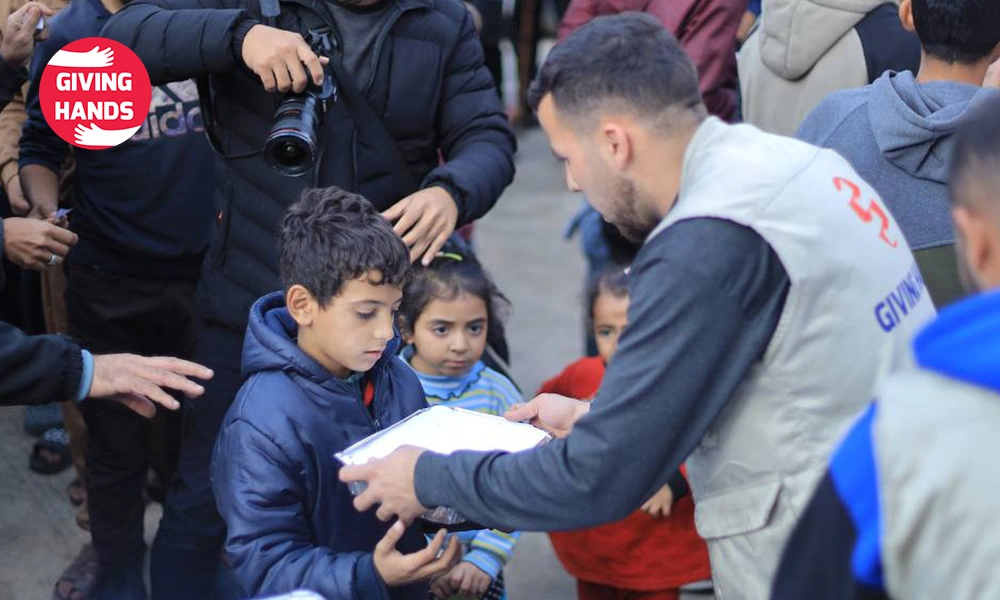
Monthly giving has the biggest effect on programs serving the most vulnerable populations. UNICEF reports that children under five in Sub-Saharan Africa and South Asia face the worst outcomes from funding gaps — stunting, preventable disease, and school dropout rates spike when programs pause. Orphan support, maternal health, and clean water access all depend on steady, multi-month funding cycles. A one-time gift can feed a family for a week. But an orphan needs school fees paid every term. A well needs maintenance every season. The people who need help most — need it all year.
How Monthly Giving Connects to Long-Term Change
Short-term aid patches a wound. Long-term aid heals it. This is the clearest difference between one-off giving and a monthly charity donation model. The World Bank estimates that sustained funding over three or more years is the threshold at which community-level poverty programs begin to show lasting gains. Below that threshold, programs often restart from zero — re-hiring staff, re-establishing trust, re-building supply chains. Every gap costs time and money. The communities working through these programs rarely make headlines. But the change is real, and it depends on quiet, consistent support from people far from the problem. See how this work continues →
What Monthly Giving Actually Changes
A monthly charity donation does one thing a single gift cannot: it removes the gap. UNICEF estimates that child nutrition programs need at least 12 months of unbroken funding to show measurable gains in stunting rates. Orphan sponsorship works the same way — school fees, meals, and health checks run on fixed cycles. Miss one month and a child misses a term. Recurring giving matches that rhythm. It turns good intent into a system. And systems, not moments, are what move communities out of poverty for good.
Does the Amount Matter as Much as the Frequency?
Not always. A £30 monthly pledge covers clean water access for one family for a full year, according to WHO water program cost data. A £10 pledge, held for 12 months, still funds more than a single £100 gift — because programs budget around what they can count on. Reliability beats size. Charities build staffing, supply chains, and field schedules around recurring income. One predictable £15 means more to a program manager than five unpredictable £50 transfers.
What Happens When Monthly Givers Stop?
Gaps in recurring income force programs to pause – not end, but pause. And pauses cost money. Field staff get stood down. Supply orders get cancelled. Community trust erodes. World Bank research on sustained development funding puts the minimum threshold for lasting community change at three or more consecutive years. Below that, programs reset to zero. The families inside those programs don’t reset. They wait. And while they wait, the problem compounds.
Behind every number there is a name. A child who stayed in school because fees arrived on time. A mother who delivered safely because a health worker was still on payroll. At Giving Hands UK, the work runs on that kind of quiet, sustained commitment – not headlines, not one-off campaigns. It keeps going because people choose to stay involved long after the moment of crisis passes.