

Orphan sponsorship Islam means a Muslim commits to the ongoing care of a child who has lost one or both parents. It’s distinct from adoption. The Prophet Muhammad (ﷺ) placed the sponsor and the orphan together in Jannah, saying they’d be “like these two fingers.” UNICEF estimates 140 million children worldwide live without one or both parents. Any Muslim, anywhere, can sponsor an orphan. The need has never been greater.
Why Orphan Sponsorship Matters Right Now
Islam doesn’t treat orphan care as optional. The Quran mentions orphans in over 20 verses, and the Prophet (ﷺ) himself grew up without his father and lost his mother young. That lived experience shaped the faith’s strong stance. Today, conflict, poverty, and disease leave millions of children without guardians. According to UNICEF, a child’s risk of malnutrition, school dropout, and exploitation rises sharply without stable adult support. You can see how Giving Hands approaches this responsibility through our orphan sponsorship program. The gap between need and support remains wide, which is why this act of giving carries such weight in Islamic scholarship and practice.
Key Facts About Orphan Sponsorship in Islam
The Arabic word for “orphan” is “yateem,” defined in Islamic law as a child who has lost their father before reaching puberty. This is the classical definition used by scholars like Imam al-Nawawi. Sponsorship doesn’t require the child to live with you. It means covering their needs: food, shelter, clothing, and education. Ibn Kathir noted the severity of neglecting orphans in his tafsir of Surah Al-Ma’un (107:1-3). Pew Research data shows Muslims make up about 24% of the global population, meaning the ummah has real capacity to close this gap. The practice has existed as a structured form of charity since the early Madinan period.
What Does the Quran Say About Caring for Orphans?
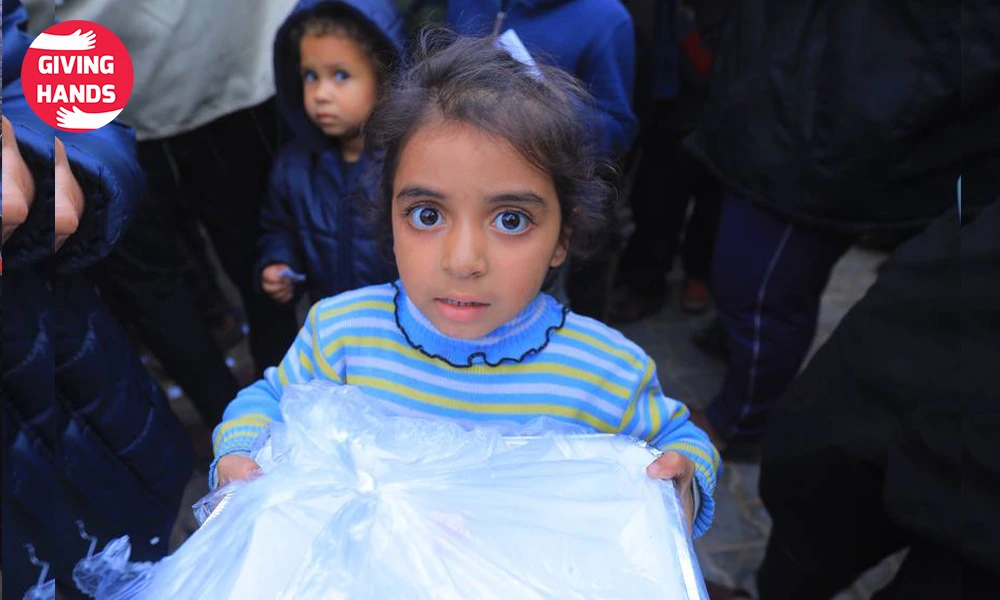
The Quran addresses orphan care with striking directness. Allah warns in Surah Al-Fajr (89:17): “No! But you do not honor the orphan.” This isn’t a soft suggestion. It’s a rebuke. Across more than twenty verses, the Quran connects orphan care to true faith, social justice, and personal accountability. Scholars like Imam al-Nawawi documented how this formed a core duty in early Muslim communities. The Quran treats neglect as a form of spiritual failure, not just a social one. That framing shapes how Muslims understand orphan sponsorship in Islam today.
What Did the Prophet Muhammad (ﷺ) Say About Sponsoring an Orphan?
The Prophet Muhammad (ﷺ) made the reward of sponsoring an orphan unforgettable. He said, “I and the one who sponsors an orphan will be in Paradise like these two,” and he held up his index and middle fingers together. This hadith appears in Sahih al-Bukhari. It’s one of the most cited texts in Islamic scholarship on charity. Ibn Qayyim al-Jawziyyah wrote about how this hadith shifted practice across Muslim societies, making orphan care a lived expression of iman. The closeness promised is not symbolic. It’s specific. And Muslims across centuries have taken it seriously.
Common Misconceptions About Orphan Sponsorship in Islam
Does Sponsorship Mean Adoption?
No. In Islamic law, kafala and legal adoption are different things. Orphan sponsorship in Islam, called kafala, means taking financial and moral responsibility for a child. It doesn’t change the child’s lineage or family name. Allah explicitly preserves lineage in Surah Al-Ahzab (33:4-5). A child sponsored under kafala keeps their birth name and identity. Many British Muslim families choose sponsorship precisely because it aligns with Islamic principles while still meeting a genuine need. The commitment is real. But it’s structured differently from Western legal adoption.
Does the Child Need to Be Completely Without Parents?
Not always. Islamic scholars define yateem as a child who has lost their father before puberty. In many cases, a mother is still present. But without a father’s income, the family may have nothing. UNICEF data shows that paternal loss sharply increases a child’s risk of poverty, school dropout, and early labor. That’s why sponsorship in Islam often targets fatherless children in struggling households. The mother’s presence doesn’t reduce the child’s need. It often means sponsoring that child also stabilises an entire family.
Who Is Most Affected by Orphan Poverty Globally?
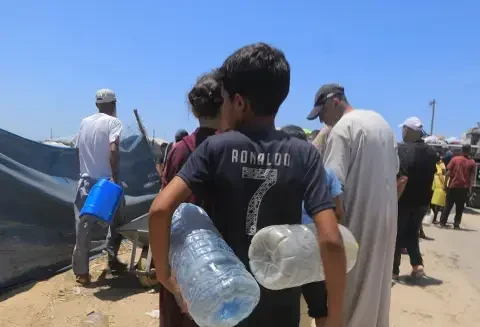
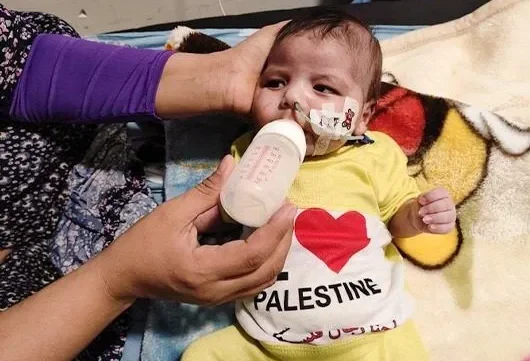
According to UNICEF, an estimated 140 million children worldwide meet the definition of orphan, having lost one or both parents. The highest concentrations sit in sub-Saharan Africa, South Asia, and conflict-affected regions. Bangladeshi children in rural areas face compounding risks: seasonal flooding, limited schooling, and no formal safety net. Palestinian families in besieged areas carry some of the heaviest burdens, where paternal loss from conflict is widespread. Somali children in displaced communities often grow up without access to any consistent education or healthcare. The numbers are not abstract. Each one is a child growing up without a safety net.
How Does Long-Term Sponsorship Change a Child’s Outcome?
Short-term relief helps. But consistent, year-round support changes life paths. According to the World Bank, children who stay in school past primary level earn significantly more as adults and are far less likely to fall into poverty. Sponsorship programs that cover school fees, meals, and basic medical costs make that continuity possible. Real change here is rarely sudden. It comes from small, sustained efforts. Season after season, children who know their needs will be met show up to school, build skills, and grow into adults who can support their own families. That cycle starts with one sponsor choosing not to look away.
What Orphan Sponsorship in Islam Means for You Today
Orphan sponsorship in Islam is not a trend. It is a standing obligation woven into the Quran and the Sunnah. UNICEF estimates over 140 million children worldwide have lost one or both parents. Many live in regions where no government safety net exists. Long-term sponsorship covers school fees, meals, and basic healthcare. These three things together shift a child’s path. Sustained giving, even at modest levels, compounds over years. The child who stays in school past primary level earns more, breaks the poverty cycle, and raises their own children differently. That is the return on consistent care.
Does the Sponsor Ever See the Change?
Most sponsors never meet the child they support. But the evidence is clear. World Bank research shows children who complete secondary school are far less likely to fall into poverty as adults. Sponsorship that covers school fees, uniforms, and meals is what makes that completion possible. The change is real. It just happens quietly, far from the sponsor’s view.
When Does Orphan Sponsorship Start to Matter?
It matters from day one. The moment a child knows their basic needs are covered, they show up to school. They focus. They stop worrying about food. According to UNICEF, food insecurity is one of the top reasons children in low-income countries drop out before age ten. Consistent sponsorship removes that barrier. The earlier it begins, the more of a child’s schooling years it can protect.
Behind every child who finishes school is someone who chose to stay involved long after the news moved on. Orphan sponsorship in Islam is that kind of sustained choice. It is quiet. It is consistent. And it works because people keep showing up, year after year. At Giving Hands, that long-term commitment is how we approach every program we run. See how this work continues.