

Sponsoring an orphan in Palestine means committing regular financial support to a child who has lost one or both parents. It’s different from a one-time gift — it builds a consistent relationship between donor and child. About 800,000 children in Gaza are now classified as orphaned or separated, according to UNICEF. The support covers food, schooling, and basic care. It’s one of the most direct ways to help a named child survive.
Why Sponsoring an Orphan in Palestine Matters Right Now
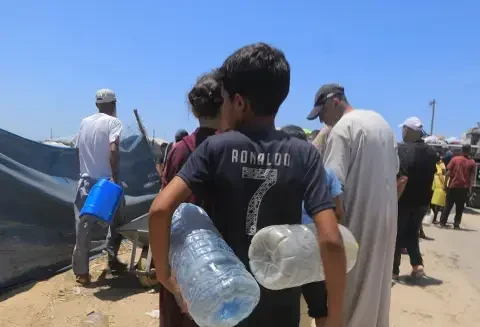
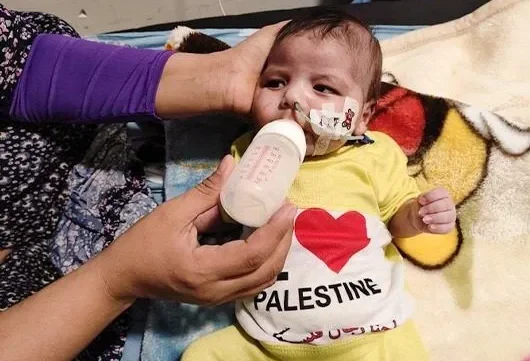
Gaza has seen the fastest rise in child displacement in decades. UNICEF estimates that over 17,000 children in Gaza lost at least one parent in the first year of the current conflict. These aren’t numbers – they’re kids sleeping in tents, missing school, going hungry. Orphan sponsorship fills the gap when government aid can’t reach a family. It’s also one of the few aid models that links a donor directly to a specific child’s welfare, not a general fund.
Sponsor an Orphan in Palestine: What Most People Don’t Know
Most people think sponsorship only covers food. But a full orphan sponsorship program covers school fees, medical visits, clothes, and sometimes a small income for the surviving parent or guardian. In Gaza, the average cost to support one orphan runs about £50 USD per month — less than many people spend on a streaming service. Many Palestinian orphans still have a mother or grandmother caring for them. Sponsoring that child keeps the whole family unit intact, not just one child fed.
Who Are Palestine’s Orphans? Ages, Regions, and Numbers
Palestinian orphans aren’t one group. They span infants to teenagers, and they live across Gaza City, Khan Younis, Rafah, and the West Bank. According to UNRWA, the majority of displaced children in Gaza are under 12. Boys and girls both lose caregivers — but girls in conservative communities face extra risks when a father dies. They can lose access to school, inheritance, and safety all at once. Children under five are the most at risk. They can’t advocate for themselves. They depend on whoever is left.
The Ages That Need the Most Help
Children aged four to ten are the most vulnerable group in active conflict zones. They’re old enough to remember loss but too young to work or protect themselves. In Gaza, this age group makes up the bulk of orphan sponsorship cases. Many haven’t been in a classroom in over a year. Some have never sat through a full school term. The damage at this age – to learning, to routine, to trust – takes years to undo.
What Happens to Girls Without Fathers
In Gaza and the West Bank, a father’s death changes a girl’s life fast. She may be pulled from school to help at home. She becomes more vulnerable to early marriage or exploitation. UNICEF notes that girls in conflict zones are twice as likely to miss secondary school when a male guardian dies. Sponsorship programs that reach girls specifically — covering school fees, uniforms, and safe transport — are rare. But they matter more than almost any other form of child aid in these regions.
Common Misconceptions About Orphan Sponsorship in Palestine
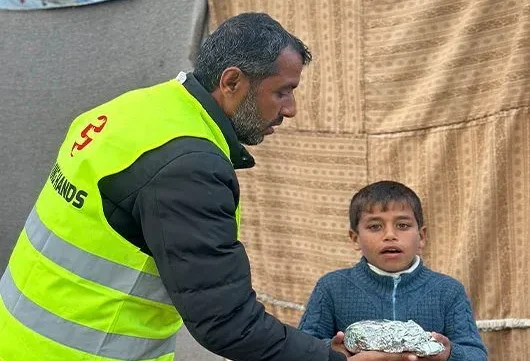
Many donors assume their money reaches a child directly, like cash in a hand. That’s not how it works – and that’s a good thing. Funds go through vetted local partners who know the family, know the neighborhood, and know what’s actually needed that month. Some months it’s school supplies. Others it’s a medical visit or winter clothes. The child stays in their own community, with their own family, in familiar surroundings. Sponsorship doesn’t relocate kids. It stabilizes them where they already are, which is exactly what children in crisis need most.
How Sustained Support Differs From One-Time Aid
One-time aid saves lives in a crisis. But it doesn’t rebuild them. A food parcel helps a family for a week. An orphan sponsorship commitment — maintained month after month — helps a child finish the school year, recover from illness, and grow up with some structure intact. The World Food Programme found that predictable, recurring support produces better long-term child outcomes than irregular large donations. Stability is the point. A child who knows help is coming next month can sleep better tonight. That’s not a small thing. It’s the difference between surviving and recovering.
What Our Team Saw in Khan Younis
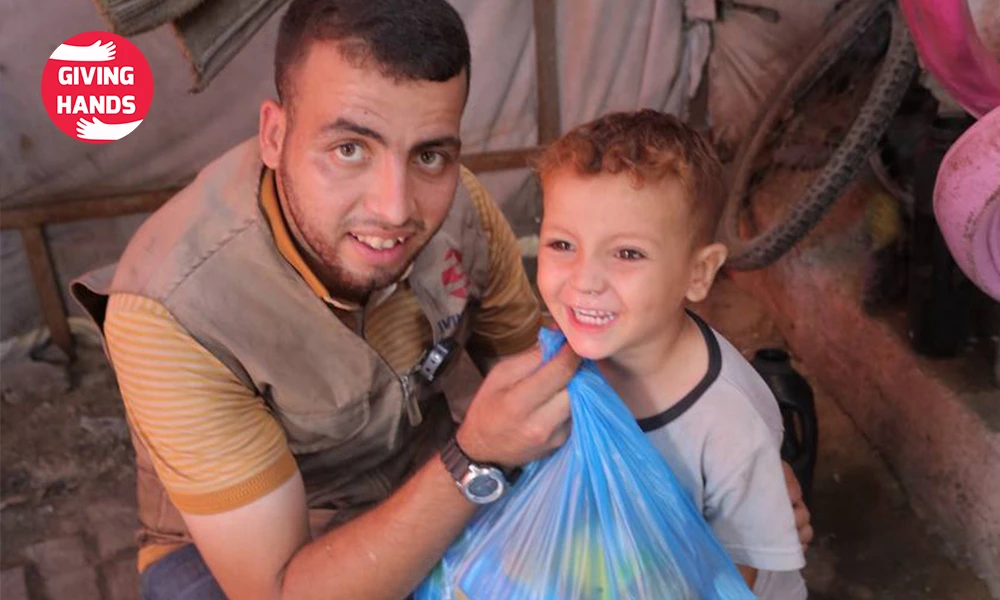
In March 2025, our team met a boy named Yusuf in a displacement shelter near Khan Younis. He was eight years old. His father had died four months earlier. His mother was caring for him and two younger sisters in a single tent. Yusuf hadn’t been to school since the family fled north. He was quiet in the way kids get quiet when too much has happened too fast. A sponsorship arrangement started that month — covering food, basic supplies, and eventual school re-enrollment. Six months later, his mother told our local partner he’d started drawing again. Small sign. Big shift.
The work that reaches children like Yusuf doesn’t make headlines. It happens quietly, week after week – see how it continues at Giving Hands UK.
What Sponsoring an Orphan in Palestine Means Right Now
Over one million children in Gaza have lost one or both parents since October 2023, according to UNICEF estimates. That number isn’t abstract. It means a generation of children growing up without the adult who knew their name best. Orphan sponsorship in Palestine works differently from emergency relief — it targets the long recovery, not just the acute crisis. It covers school fees, food, medical care, and the quiet cost of stability. For British Muslims looking to act, this is one of the most direct paths to lasting change.
Does Long-Term Sponsorship Actually Change Outcomes for Palestinian Children?
The evidence says yes. The World Food Programme’s research on predictable aid shows children with consistent support recover faster — emotionally and physically — than those receiving one-off help. For orphaned children in Gaza, that consistency is rare. A monthly commitment cuts through that gap. It gives a child’s caregiver something to plan around. That predictability is what turns survival mode into something closer to recovery.
What Should You Look for Before You Commit to a Sponsorship Program?
Not all programs work the same way. Look for organizations that report back to sponsors — updates, outcomes, named beneficiaries. Look for partners with verified local presence in Gaza or the West Bank. Ask whether funds go to a specific child or a pool. Either model can work, but you deserve to know which one you’re joining. Transparency in reporting is the clearest sign that a program is worth your continued attention.
Behind every measurable shift in a child’s life is a long line of people who stayed involved after the headlines moved on. The boy drawing again in Khan Younis didn’t make the news. Neither did the woman in Rafah who could finally send her daughter to school. These are the outcomes that take months to appear — and they only appear because someone chose to stay involved. At Giving Hands UK, that quiet, continued work is what we do.