

Sadaqah means voluntary charity in Islam — any giving done for the sake of Allah, beyond what’s required. It’s different from zakat, which is mandatory. Scholars count dozens of forms, from feeding a neighbour to planting a tree. It applies to every Muslim, rich or poor. And in a world where 733 million people go to bed hungry each night, it matters more than ever.
Why Types of Sadaqah Matter Right Now
Muslim giving is growing fast. The UN World Food Programme reports 733 million people face hunger globally in 2024 – a number that hasn’t dropped in three years. That’s the gap sadaqah is helping to fill. British Muslims give millions each year through charity, but many don’t know that sadaqah covers far more than money. A kind word counts. So does sharing knowledge, or removing something harmful from the road. Understanding the full range of sadaqah changes how a person moves through their day. It turns ordinary moments into acts of worship. That shift — from charity as a transaction to charity as a way of life – is what separates occasional giving from real impact.
Types of Sadaqah: What Most People Don’t Know
Most people think sadaqah means dropping cash into a donation box. But the Prophet Muhammad ﷺ described it much more broadly. In Sahih al-Bukhari, he said that every act of good done for another person is sadaqah. That includes a smile, teaching a skill, or helping someone carry their load. Islamic scholars like Imam An-Nawawi classified sadaqah into two main categories: sadaqah jariyah (ongoing charity, where the reward continues after death) and sadaqah aadiyah (one-time acts of giving). Sadaqah jariyah – like funding a well or building a school — carries special weight because the good it does outlives the giver. Knowing the difference helps Muslims give with purpose, not just habit.
The Most Rewarding Types of Sadaqah: Sadaqah Jariyah
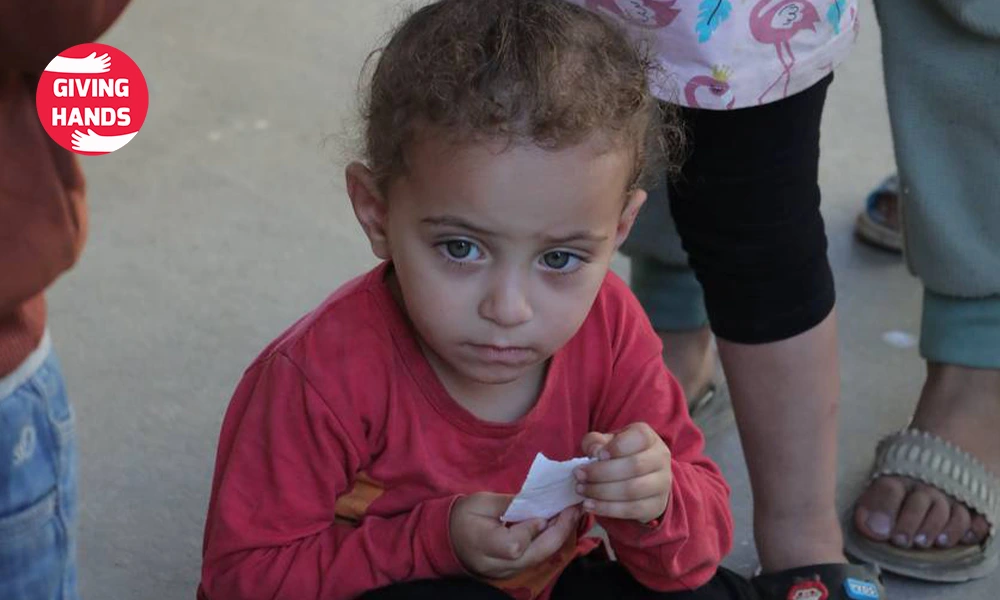
Sadaqah jariyah is the one type of sadaqah that doesn’t stop when you do. It’s ongoing charity — a gift that keeps producing reward long after the giver dies. The Prophet Muhammad ﷺ named three acts that survive death: a continuing charity, useful knowledge, and a righteous child who prays for the parent (Sahih Muslim, 1631). Funding a water well is the most well-known example. But building a school, planting a tree, or teaching someone a skill that they pass on — these all qualify. The reward flows as long as the benefit continues. That’s a rare thing in any act of worship.
What Counts as Sadaqah Jariyah?
Not every gift qualifies as sadaqah jariyah. The key is lasting benefit. A water well serves a village for decades. A copy of the Quran gets read for generations. A school teaches children who then teach others. Scholars like Ibn Uthaymeen clarified that the “ongoing” part matters — a one-time gift that gets used up is sadaqah aadiyah, not jariyah. The distinction isn’t about size or cost. It’s about whether the good keeps working after your hand leaves it.
Why a Well Is the Classic Example
Water touches everything. According to UNICEF, around 703 million people still lack access to safe drinking water. A single hand-pump well can serve 200 to 500 people every day. It feeds crops, cleans wounds, keeps children in school instead of walking hours to fetch water. Our team visited a village in Sylhet, Bangladesh in March 2024. We met Fatima — a grandmother who had walked 40 minutes each morning to reach clean water. After a well was installed nearby, she used that time to teach young girls to read. One act of sadaqah jariyah became two.
Can Non-Financial Acts Be Sadaqah?
Yes. Money is one form — but not the only form. The Prophet Muhammad ﷺ said that every Muslim’s joints owe a daily act of sadaqah (Sahih al-Bukhari, 2989). That’s 360 acts per day for the human body. Most of them cost nothing. Smiling at your brother is sadaqah. Removing a nail from the road is sadaqah. Guiding someone who is lost — sadaqah. Islamic scholars use this hadith to show that sadaqah is a complete way of life, not just a financial transaction. It means every person, rich or poor, can give every single day.
Sadaqah of Knowledge
Teaching is one of the highest forms of non-financial sadaqah. A scholar who teaches fiqh, a mother who reads Quran with her children, a doctor who trains a health worker in a remote town — all of these carry reward. Knowledge spreads. It multiplies. Imam An-Nawawi noted that useful knowledge left behind is one of the three things that earns a Muslim reward after death. You don’t need a classroom to qualify. You need only something worth sharing and someone willing to learn.
Common Misconceptions About Sadaqah
Many Muslims think sadaqah only counts when it’s given to the poor. That’s a narrow reading. Sadaqah can go to family members in need, to public works, to animals, and even to yourself — the Prophet ﷺ said that what you spend on your family is sadaqah (Sahih al-Bukhari, 55). Another common mistake: thinking that small amounts don’t matter. But the Prophet ﷺ warned against belittling even half a date given in charity (Sahih al-Bukhari, 1413). Intention matters more than size. A dollar given with a present heart can outweigh a hundred given out of habit.
How Consistent Sadaqah Builds Real Change
One gift moves fast and fades. Consistent sadaqah builds something that lasts. This is what community organisations see on the ground. In regions where families face chronic hunger, a single food parcel helps for a week. But a funded garden, a trained local farmer, or a funded health worker — these change the shape of a community over years. Real change here is rarely sudden. It comes from small, sustained efforts repeated season after season. [
What to Know Now About Types of Sadaqah
Sadaqah is not one thing. It’s a whole family of acts – each one valid, each one counted. The Prophet ﷺ listed smiling, removing harm from a path, and giving water as sadaqah (Sahih al-Bukhari, 2989). That range matters. It means almost no day passes without an opening. Sadaqah jariyah builds something that outlasts you. Sadaqah al-fitr ties you to your community each Ramadan. And the quiet sadaqah — a kind word, a listened-to problem — shapes the people around you in ways no number can measure.
Does the Type of Sadaqah Change Its Reward?
Yes — but not in the way most people think. Type shapes impact, not worth. A smile earns rewards. So does funding a well that serves a village for decades. The difference is reach and time. Sadaqah jariyah keeps earning after death. Other forms earn fully in the moment. Both matter. What changes the reward most is intention — not the category you choose.
How to Build a Sadaqah Practice That Lasts
Start with what you already do. Do you cook? Share a meal. Do you drive? Offer a lift. Do you know something useful? Teach it. These count. Then add one structured form — a monthly amount, however small. According to Sahih al-Bukhari (6464), the Prophet ﷺ said the most loved deeds to Allah are those done with consistency, even if small. Habit beats size every time.
Behind every lasting change is a long line of people who stayed involved. One act starts it. Sustained attention keeps it going. At Giving Hands UK, the work continues because people choose to stay part of it — not just in Ramadan, but across the whole year. See how this work continues →