
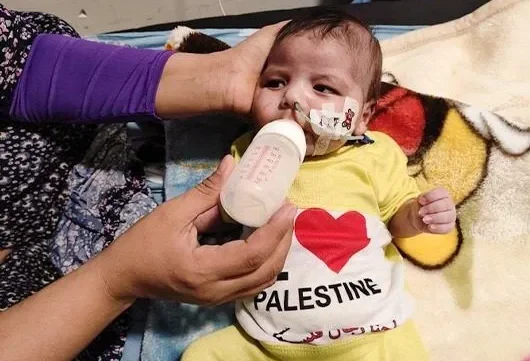
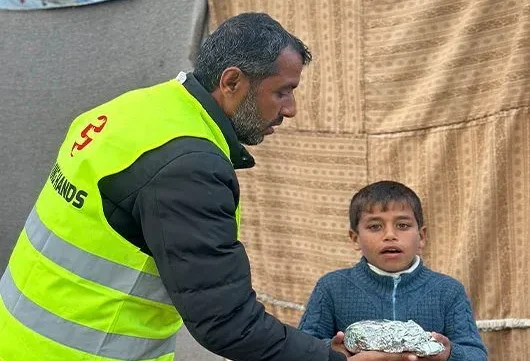


Zakat al Fitr Donation is a compulsory charity paid by every Muslim before Eid al-Fitr prayer. It differs from Zakat al-Mal because it’s tied to the end of Ramadan, not to a nisab threshold on wealth. Every Muslim who has food beyond their day’s need must pay it. It covers dependents too, including children and elderly parents. The amount equals one sa’ of staple food, worth about £10 to £15 USD per person in most regions today.
Why Zakat al Fitr Matters Right Now
Zakat al Fitr isn’t just a religious box to tick. It’s one of the few acts of worship that directly feeds a family on a specific day. The Prophet Muhammad (peace be upon him) made it obligatory so that the poor could celebrate Eid without worry, as recorded in Sahih al-Bukhari. That purpose holds today. According to the United Nations World Food Programme, over 700 million people face food insecurity worldwide. On Eid morning, a Zakat al Fitr payment reaches a family before they break their fast. You can see how this connects to our Zakat work at Giving Hands. This isn’t background charity. It’s timed relief, built into the calendar of every Muslim on earth.
Key Facts About Zakat al Fitr Most People Get Wrong
Many Muslims don’t realise Zakat al Fitr must reach the recipient before Eid prayer, not just before Eid day ends. Paying it late turns it into ordinary sadaqah, not the obligatory Zakat. It applies to every Muslim, regardless of age or gender. The head of household pays on behalf of dependents who can’t pay themselves. Pew Research estimates there are about 1.9 billion Muslims globally, meaning Zakat al Fitr is one of the largest annual redistributions of wealth on the planet. Scholars including Imam al-Nawawi confirmed the sa’ measurement applies to the staple food of your region, which is why cash equivalents, about £10 to £15 USD, are widely accepted today.
Can You Pay Zakat al Fitr in Cash Instead of Food?
Yes. Most contemporary scholars allow cash payments for Zakat al Fitr. The original ruling required a sa’ of staple food, such as dates, barley, or rice. But scholars including Sheikh Ibn Uthaymeen acknowledged that cash often reaches recipients more usefully in modern conditions. The cash equivalent sits at roughly £10 to £15 USD per person, depending on local food prices. Pew Research data shows Muslims now live across every continent, many in cities where distributing grain is impractical. Cash allows recipients to buy what they actually need. The obligation remains the same. Only the form changes.
What Is a Sa’ and How Much Is It Today?
A sa’ is an old unit of volume, equal to about 2.5 to 3 kilograms of staple food. Scholars measure it by the staple grain of the local community, not by the staple of seventh-century Madinah. So rice works in Bangladesh, wheat works in Pakistan, and so on. In cash terms, £10 to £15 USD covers this amount in most regions. Some scholars set the figure slightly higher to account for premium staples. The safest approach is to use the higher estimate when in doubt.
Does the Nisab Apply to Zakat al Fitr?
No. Nisab is the wealth threshold that triggers annual Zakat. It does not apply to Zakat al Fitr. Any Muslim with food beyond their basic needs on Eid day owes Fitr, even if they hold no savings. This makes Fitr more universal than Zakat al Mal. A household with modest means still pays on behalf of each member. The only exemption applies to someone who genuinely cannot feed themselves or their family on Eid day.
Who Receives Zakat al Fitr Payments?
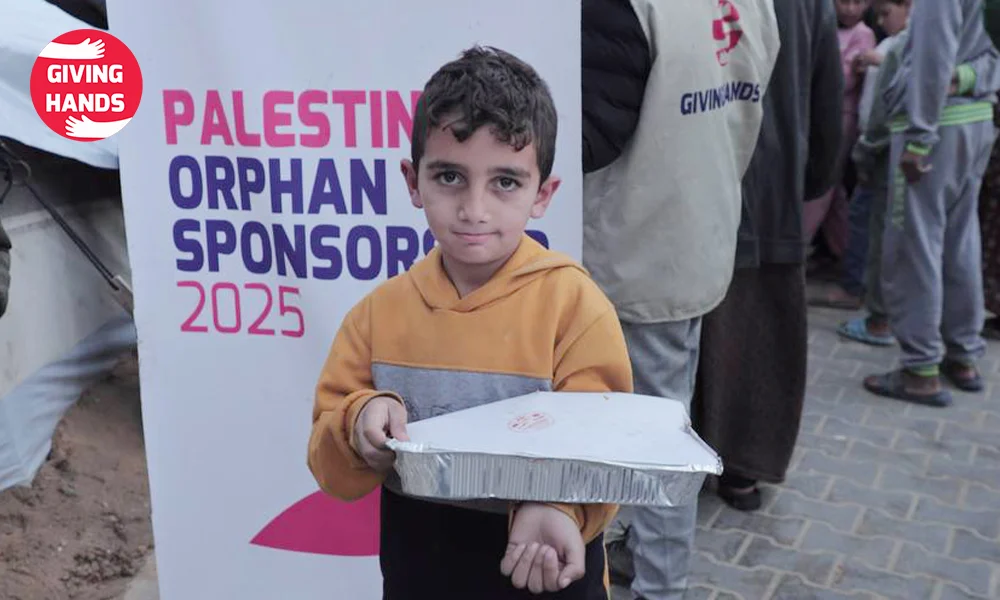
Zakat al Fitr goes to the poor and those in need, specifically the first two categories mentioned in Surah At-Tawbah (9:60): the fuqara (the destitute) and the masakin (the needy). Scholars debate whether all eight Zakat categories apply, but most hold that Fitr is specifically for the poor. The goal is practical: every Muslim should eat well on Eid morning. According to UNICEF, around 333 million children globally live in extreme poverty. Many of those families depend on community redistribution like Fitr to share in the celebration. Giving it locally is valid. Sending it to communities in greater need is also permitted.
Common Mistakes Muslims Make With Zakat al Fitr
The most frequent mistake is timing. Many Muslims pay after Eid prayer, or even after Eid day entirely. Ibn Abbas reported that the Prophet (peace be upon him) described late payment as ordinary charity, not Fitr. The Zakat al Fitr donation must reach recipients before the Eid prayer begins. Scholars allow payment from the start of Ramadan, but the final two or three days are optimal. A second common mistake is forgetting dependents. The head of household pays for every member, including infants born before Eid. Forgetting a newborn or elderly parent invalidates complete fulfillment of the obligation.
What Happens If You Miss the Deadline?
Missing the pre-Eid prayer deadline doesn’t cancel the obligation. It means the payment no longer counts as Zakat al Fitr specifically. Scholars say you should still pay it as sadaqah. But it loses the ritual character and the communal purpose it was designed for. Pay as early as possible in the last days of Ramadan. This gives distributors time to place the food or cash into the right hands before Eid morning arrives. Real change for struggling families rarely comes from a last-minute rush. It comes from people who plan ahead and act with intention.
What Every Muslim Should Know Before Eid
Zakat al fitr donation is one of the most time-sensitive acts in Islamic worship. The window is short. The obligation is firm. And the reward is tied directly to whether families eat well on Eid morning. According to the Fiqh Council of North America, the average Nisab threshold sits around £30 per person in most Western countries. Every member of the household counts. Children, parents, and dependents all require separate payment. Acting in the final days of Ramadan, not the morning of Eid, is what separates fulfilled obligation from missed opportunity.
Who Needs to Act Before Ramadan Ends
The head of household carries this duty for every dependent. That includes infants born before the Eid prayer and elderly parents living under the same roof. Scholars of the Hanbali and Shafi’i schools agree: the obligation applies to anyone you are financially responsible for. One person, one payment. Many families forget a newborn or overlook a parent. Checking your full household list before the last night of Ramadan keeps the obligation complete.
How Distributors Turn Payments Into Eid Meals
A Zakat al fitr donation only works if it reaches the right hands in time. Charities and local committees need at least two to three days to sort, pack, and distribute food or cash. Paying on the morning of Eid leaves no room for this. UNICEF data on food insecurity shows that same-day aid rarely reaches the most vulnerable households. Paying early in the final days of Ramadan gives distribution teams the time they need. That gap between your payment and a family’s Eid meal is where planning matters most.
Zakat al fitr is not just a ritual. It’s a repair. It closes the gap between those who will celebrate Eid with full plates and those who might not. The ummah has carried this practice for over fourteen centuries because it works. Behind every clean Eid morning for a struggling family is a Muslim who paid on time, checked their household list, and chose not to leave it to the last hour. At Giving Hands, this kind of steady, purposeful action is what our long-term programs are built on. See how this work continues.