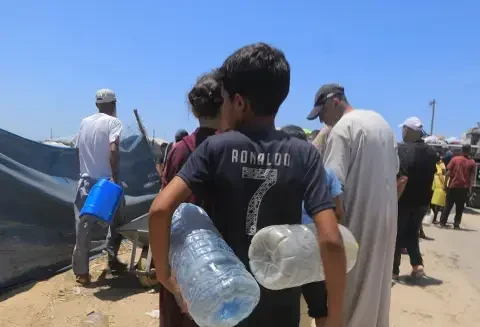
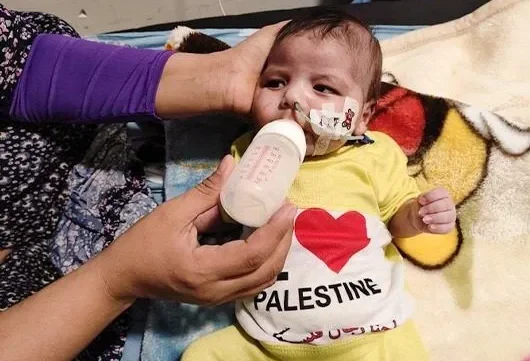
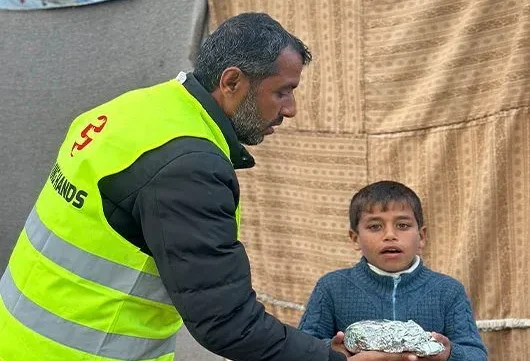


Zakat for Palestine means directing your annual obligatory alms to Palestinian families living under blockade, displacement, or active conflict. It qualifies under the Quran’s eight categories of Zakat recipients, specifically the fuqara (poor) and masakeen (those in severe need). The UN estimates over 2.1 million people in Gaza need urgent humanitarian aid. Any Muslim who holds nisab for one lunar year must pay Zakat. Palestinian communities represent one of the most pressing recipients in the world today.
Why Zakat for Palestine Matters Right Now
Palestinian families face conditions that meet every classical scholarly criterion for Zakat eligibility. UNRWA reports that food insecurity in Gaza has reached catastrophic levels, with most families unable to meet basic daily needs. This isn’t relief charity. It’s an obligation tied directly to faith. When a Muslim calculates their 2.5% annual Zakat, Palestinian recipients sit at the top of the need scale by any scholarly measure. Scholars like Sheikh Ibn Baz confirmed that Zakat can cross borders where need is greatest. Giving Hands channels this obligation through our Zakat and Palestine programs, ensuring funds reach verified recipients in one of the world’s most urgent humanitarian settings. Understanding who qualifies is the first step.
Key Facts About Zakat for Palestine
The nisab threshold for Zakat in 2026 sits at roughly £5,400 USD (based on 85 grams of gold). Any Muslim whose net savings stay above this for one full lunar year owes 2.5% of that total. That means a Muslim with £10,000 USD in savings owes £250 USD in Zakat. Palestinian families in Gaza fit the faqir and miskeen categories under the eight Quranic recipients listed in Surah At-Tawbah (9:60). UNICEF confirms that children make up a large share of Gaza’s displaced population. Classical scholars, including Imam an-Nawawi, held that geographic distance doesn’t reduce Zakat’s validity when local need is less severe than need abroad.
Does Zakat for Palestine Count as Valid Zakat?
Yes. Sending Zakat to Palestinian recipients is valid under Islamic law. The eight categories listed in Surah At-Tawbah (9:60) include the faqir (poor) and miskeen (needy). Gazarian families displaced by conflict fit both categories clearly. Classical scholars, including Imam an-Nawawi, confirmed that Zakat may travel to where need is greatest. Contemporary scholars have reinforced this position. The ongoing siege of Gaza has cut access to food, medicine, and clean water for millions. According to the United Nations Office for the Coordination of Humanitarian Affairs (OCHA), most of Gaza’s population depends on aid to survive. That level of need meets every scholarly threshold for Zakat eligibility without dispute.
Common Misconceptions About Zakat for Palestine
Many Muslims assume Zakat can only go to people in their own country. This is a minority opinion. The dominant scholarly position, held by the Hanbali and Shafi’i schools, permits transferring Zakat abroad when local need is less severe. A second misconception is that Zakat going to Palestine might not reach real recipients due to access barriers. Reputable Zakat channels work through verified partner networks on the ground. They document beneficiary details and maintain transparency. A third misconception is that Sadaqah and Zakat work the same way. They don’t. Sadaqah is voluntary and flexible. Zakat is obligatory and follows fixed rules about who can receive it and how funds must be used.
Can Zakat Pay for Food and Medicine in Gaza?
Yes. Zakat given to a faqir or miskeen recipient is unrestricted once received. The recipient may use it for any basic need, including food, medicine, shelter, or clothing. Scholars from the Hanbali and Shafi’i schools confirm this. Gazarian families receiving Zakat funds can direct those funds toward whatever their household needs most. The giver doesn’t restrict the use once it reaches a valid recipient. This flexibility matters in a crisis setting where needs shift fast and families know their situation better than any outsider.
Does Zakat Have to Be Money, or Can It Be Food?
Zakat al-Mal (wealth Zakat) is typically paid in cash or its equivalent today. The Maliki and Hanbali schools allow Zakat to be given in kind under some conditions, but the majority view for modern contexts is monetary payment. Zakat al-Fitr, paid at the end of Ramadan, is traditionally given in staple food. For the purposes of helping Palestinian families during active conflict, cash-equivalent Zakat transfers through verified channels give recipients the most flexibility and dignity.
Who Is Most Affected by the Crisis Driving Zakat Demand?
Children and women make up the majority of Gaza’s displaced population. UNICEF reports that children account for about 47 percent of Gaza’s total population. They face acute malnutrition, disrupted education, and trauma from displacement. Elderly Gazarian residents face compounding risks because chronic illness rates rise when medical supply chains break down. Families who lost their primary income earner face the sharpest drop into the faqir category. These are exactly the people Zakat was designed to protect. Scholars across the major madhabs agree that displaced, non-earning families in active conflict zones sit at the top of Zakat priority. The scale of need here is not an edge case. It’s the clearest possible application of the Zakat system.
How Sustained Zakat Support Differs From One-Time Giving
One payment helps. But Gazarian families rebuilding after repeated displacement need more than one good month. Consistent Zakat from year to year lets field teams plan ahead, stock supplies, and maintain programs rather than scrambling each season. That kind of steady, quiet support rarely makes news. But it’s what actually moves families from crisis to stability. The ummah’s collective Zakat, given reliably year after year, is what closes the gap between emergency relief and long-term recovery.
What Zakat for Palestine Means Right Now
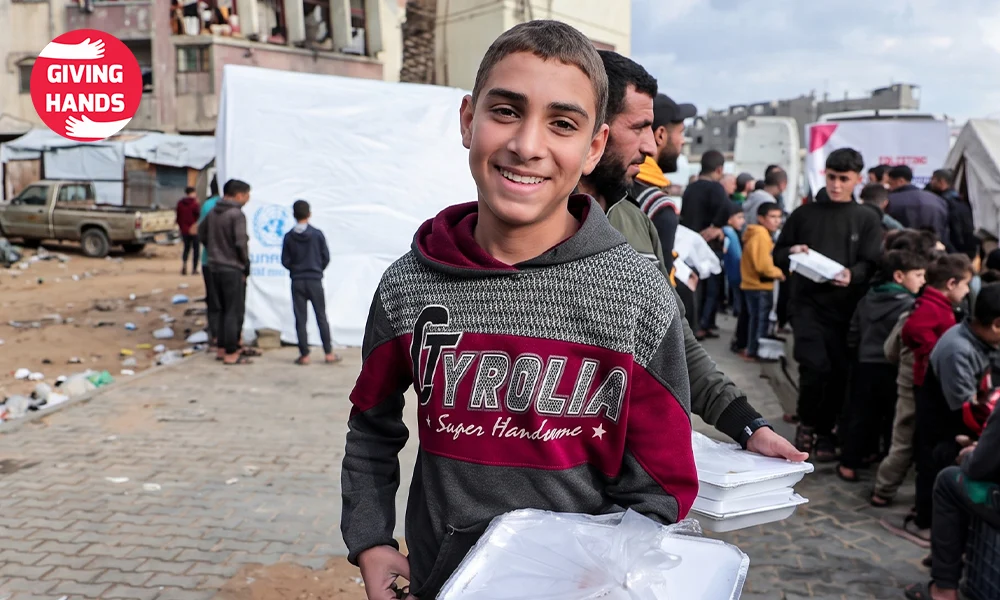
Zakat for Palestine is one of the clearest applications of Islamic financial obligation in the modern world. UNICEF estimates that over one million Palestinian children need urgent humanitarian assistance. Displaced Gazarian families sit squarely within the faqir and miskin categories recognised across all four major madhabs. Consistent, long-term Zakat giving, rather than one-time emergency response, is what allows field programs to plan, staff, and deliver. Palestinian communities across Gaza need sustained presence, not seasonal attention. Understanding this distinction shapes how the ummah fulfils its obligation with real effect.
Does the Conflict Affect How Zakat Is Calculated?
No. Zakat calculation stays the same regardless of where need exists. You calculate 2.5% of your net Zakatable wealth held above the nisab threshold. What the conflict changes is urgency of distribution. Displaced Gazarian families who have lost income, shelter, and access to food meet the eligibility criteria set by classical scholars across every madhab. The calculation is personal. The distribution priority is clear.
What Role Does Intention Play When Giving Zakat to Palestine?
Intention matters in every act of worship. When directing Zakat toward Palestinian families, the donor should make a clear niyyah that this is obligatory Zakat, not voluntary sadaqah. Imam al-Nawawi wrote that intention must precede or accompany the act of giving for it to count. Many scholars also recommend specifying, at least mentally, which category of recipient you intend to reach. Gazarian families displaced by conflict fit within multiple eligible categories at once.